
Marketing 101…
Our second try at selling at Bexley’s Farmers Market is behind us, and once again, we learned a lot.
First and foremost, it’s a LOT of work. You’re essentially setting up an entire store for a three-hour window. That sounds short until you spend three hours standing, waiting, and helping customers. Charlotte and her sister, Anne, took on that task, and I know they would agree that manning a booth for three hours is exhausting. Then you get to tear it all down, take it home, and put everything away.
In reality, it’s a full day of harvesting, prepping, driving, setting up, selling, tearing down, driving home, and unpacking.
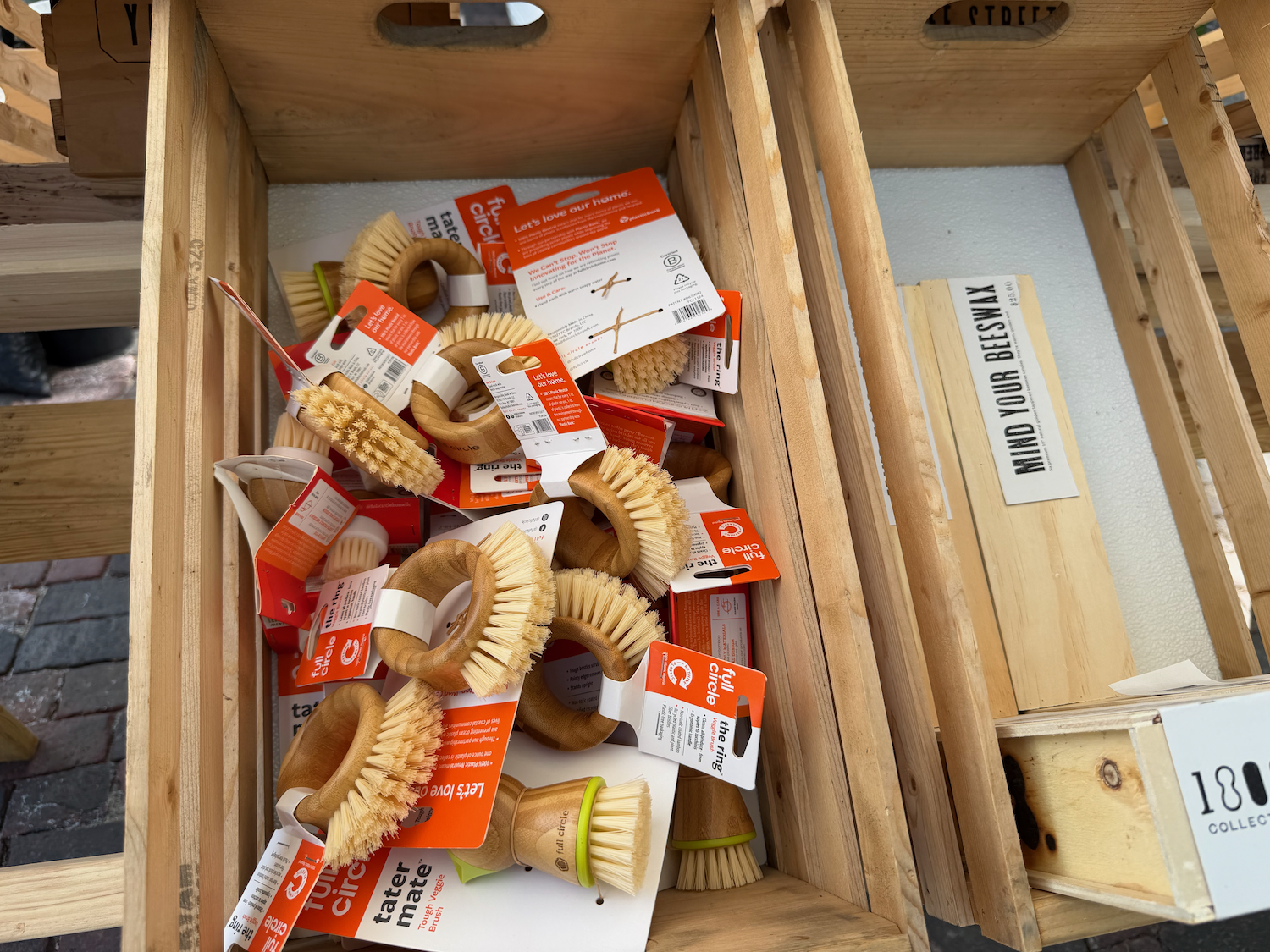
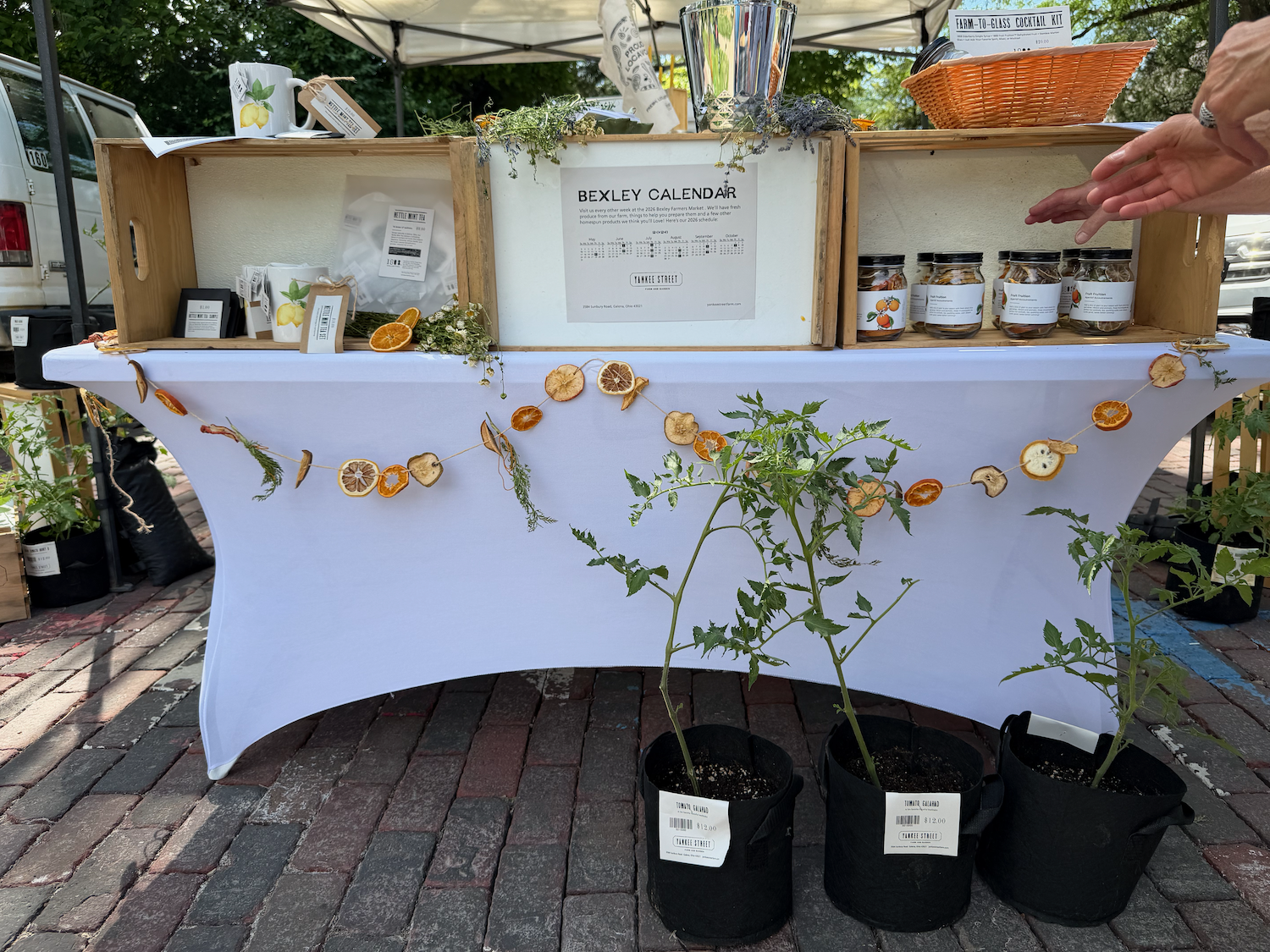
Over the years, we’ve developed about 25 products under the 1808 label, along with another 25 items from vendors we believe complement the fresh vegetable experience. Add educational materials that explain how to enjoy each variety, plus recipes to help maximize your vegetable enjoyment, and you have a pretty comprehensive program for preparing, eating, and enjoying the benefits of organically grown, fresh, local food.
We’re convinced it’s the best way to eat, but it may not be the easiest way to make a living.
So, we’re going to take a few days, gather our thoughts, set some new objectives, and then, in two weeks, do it all again. Each market teaches us something—although one lesson could be that we don’t want to do farmers markets!
In the meantime, we love growing for what we affectionately call our “Farmtastic Twelve.” We appreciate you now more than ever. Thank you for letting us grow for you.
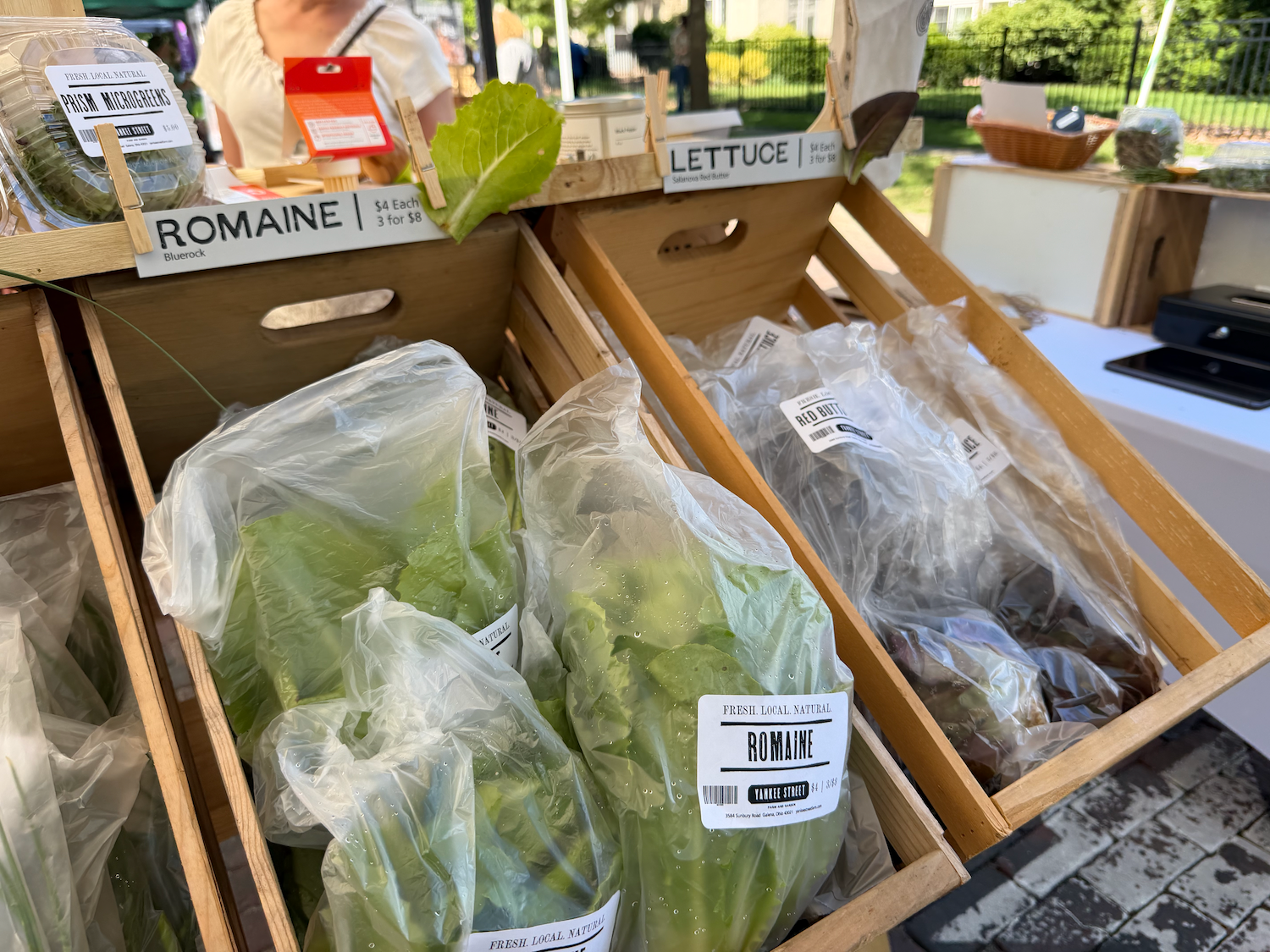
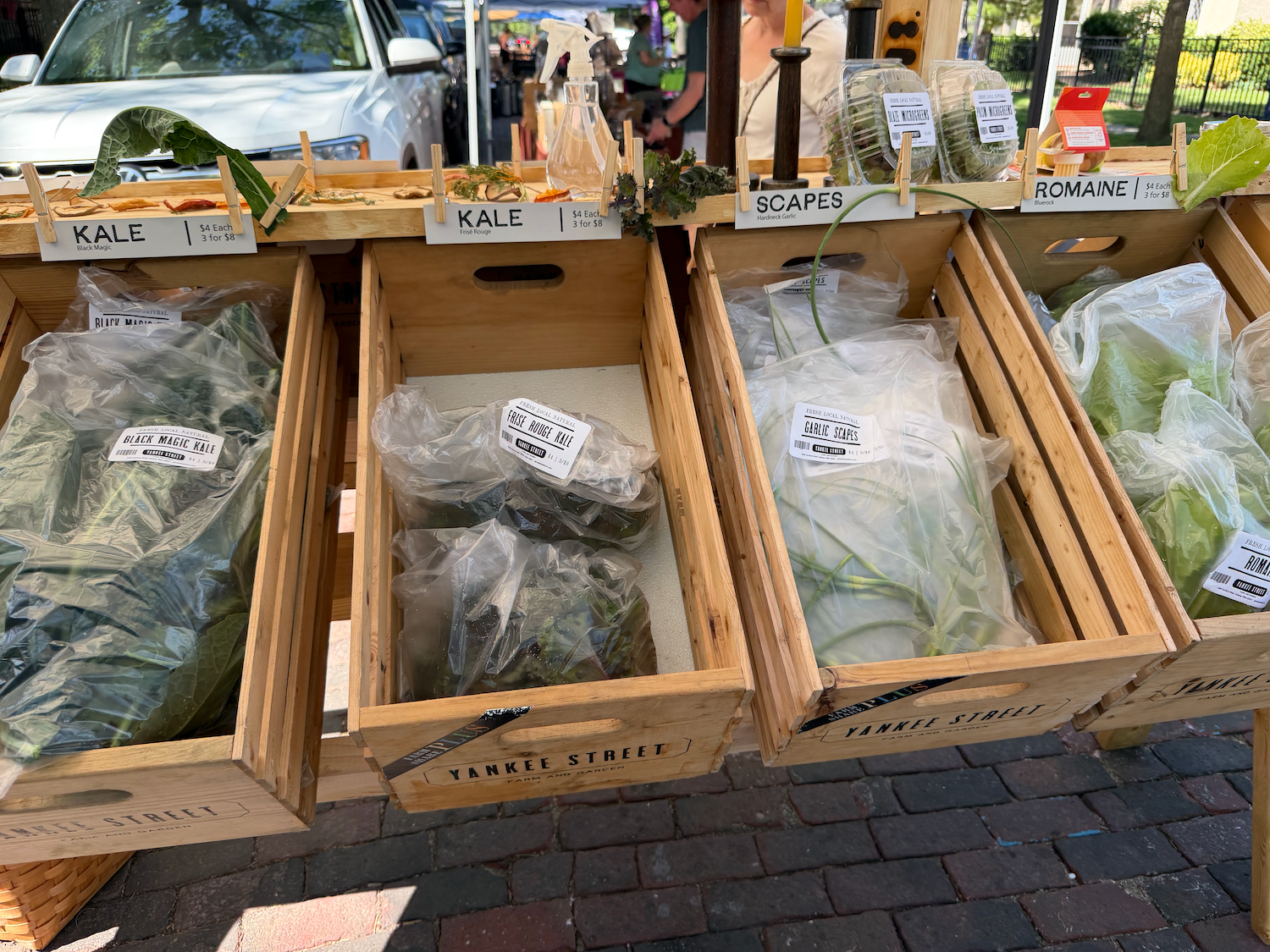
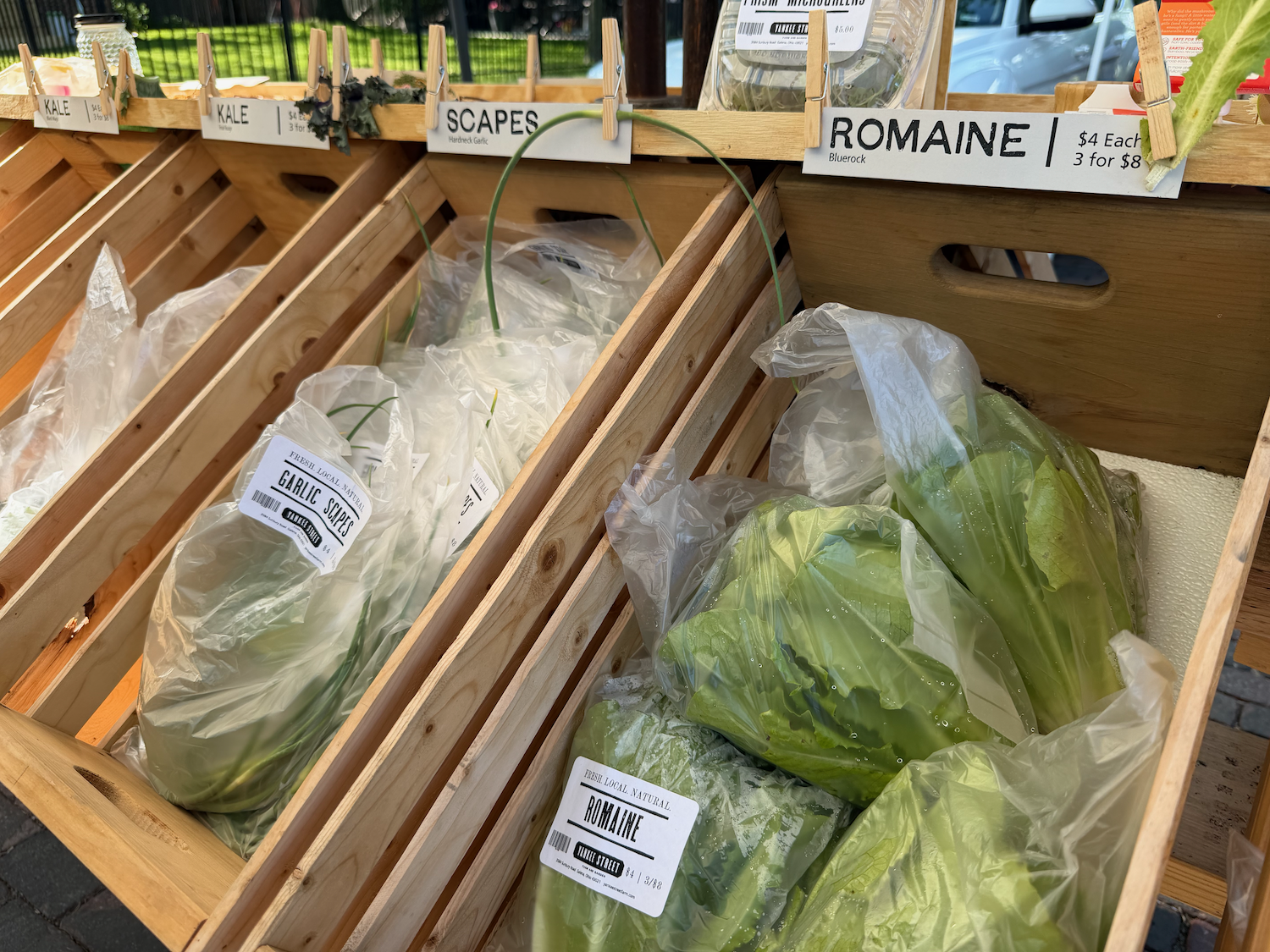
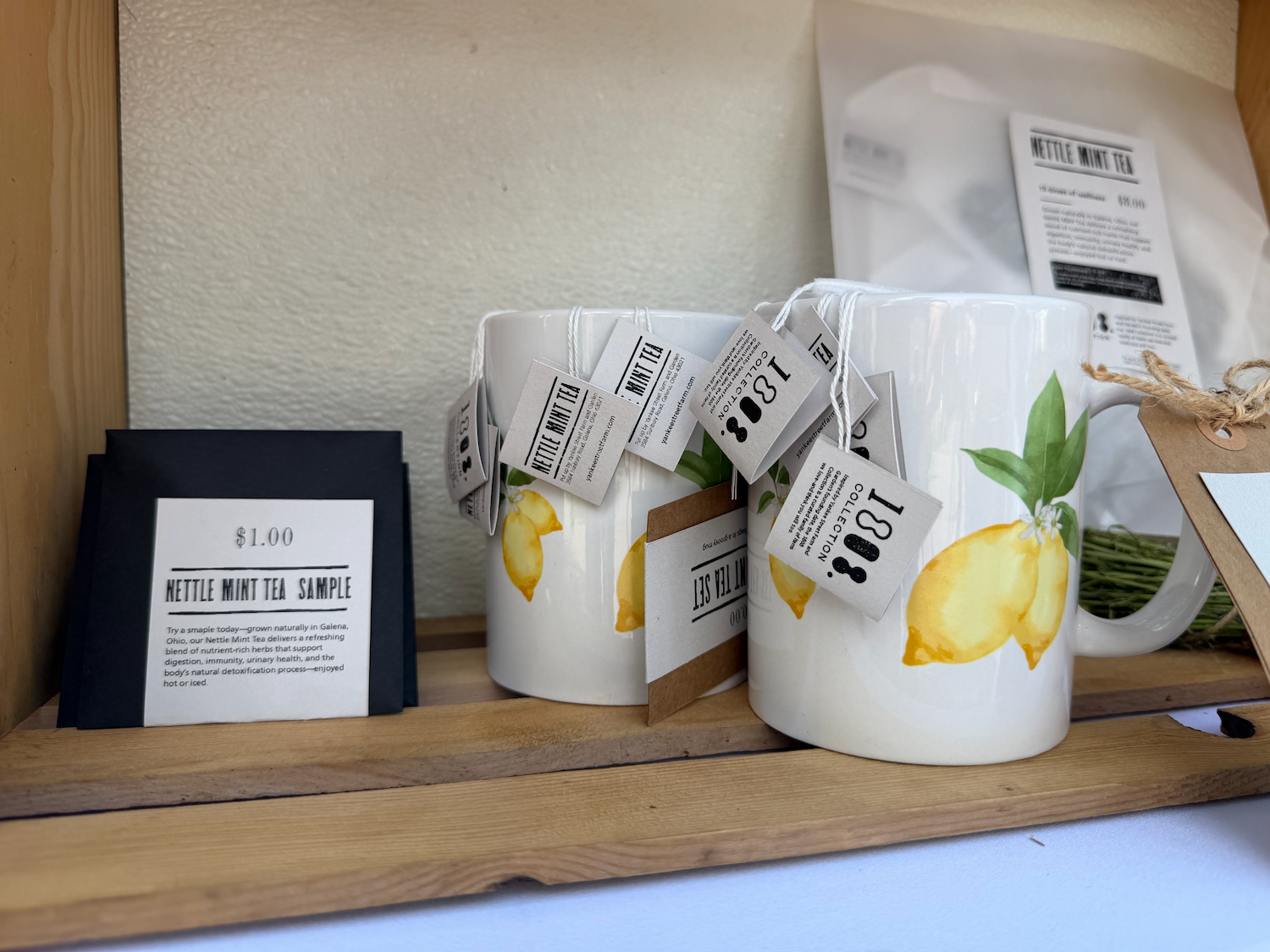
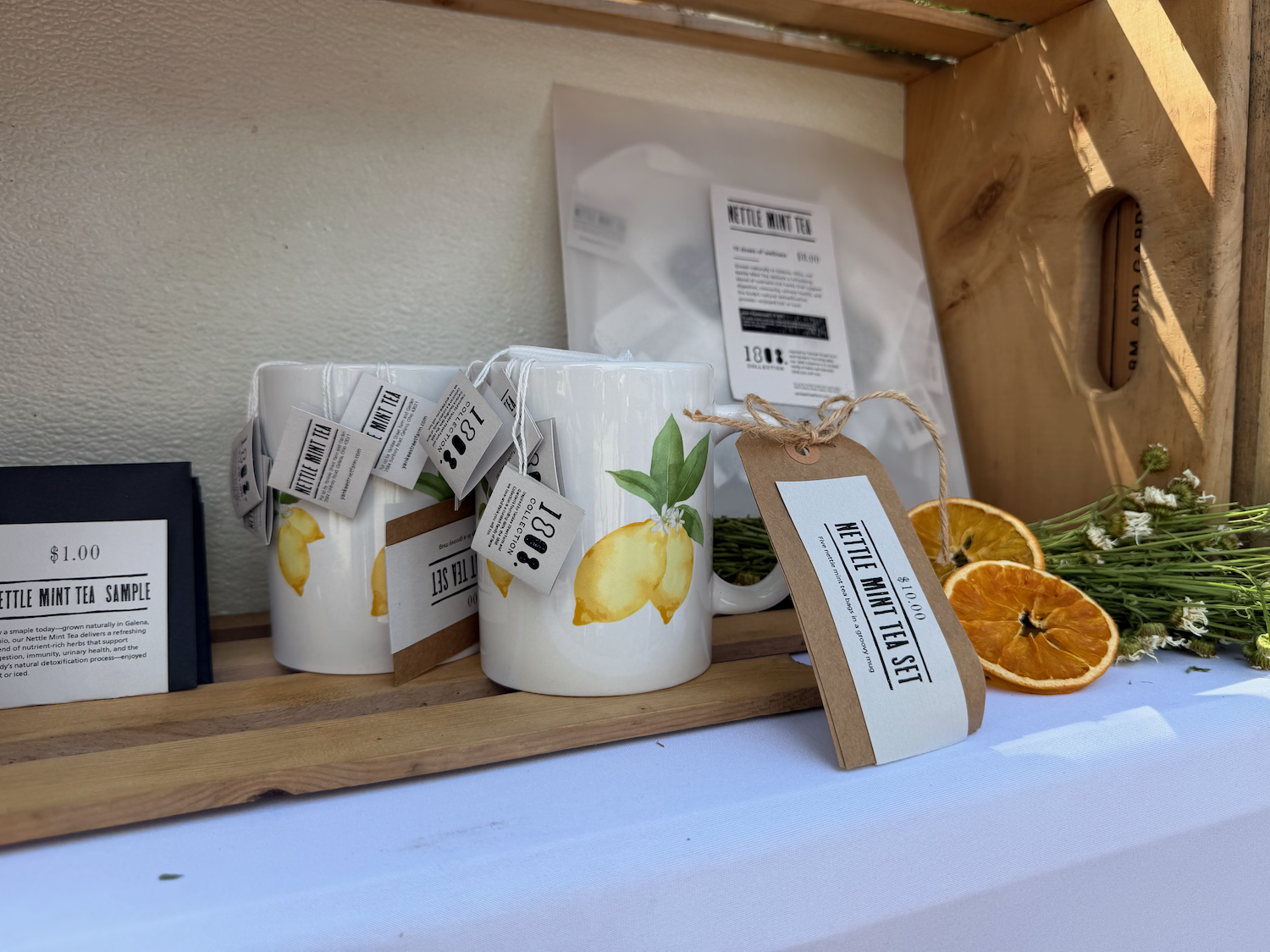
Here are a few photos of our latest booth design. We received many kind comments—including from some of our competitors—about how much they loved the booth. Have a great week!

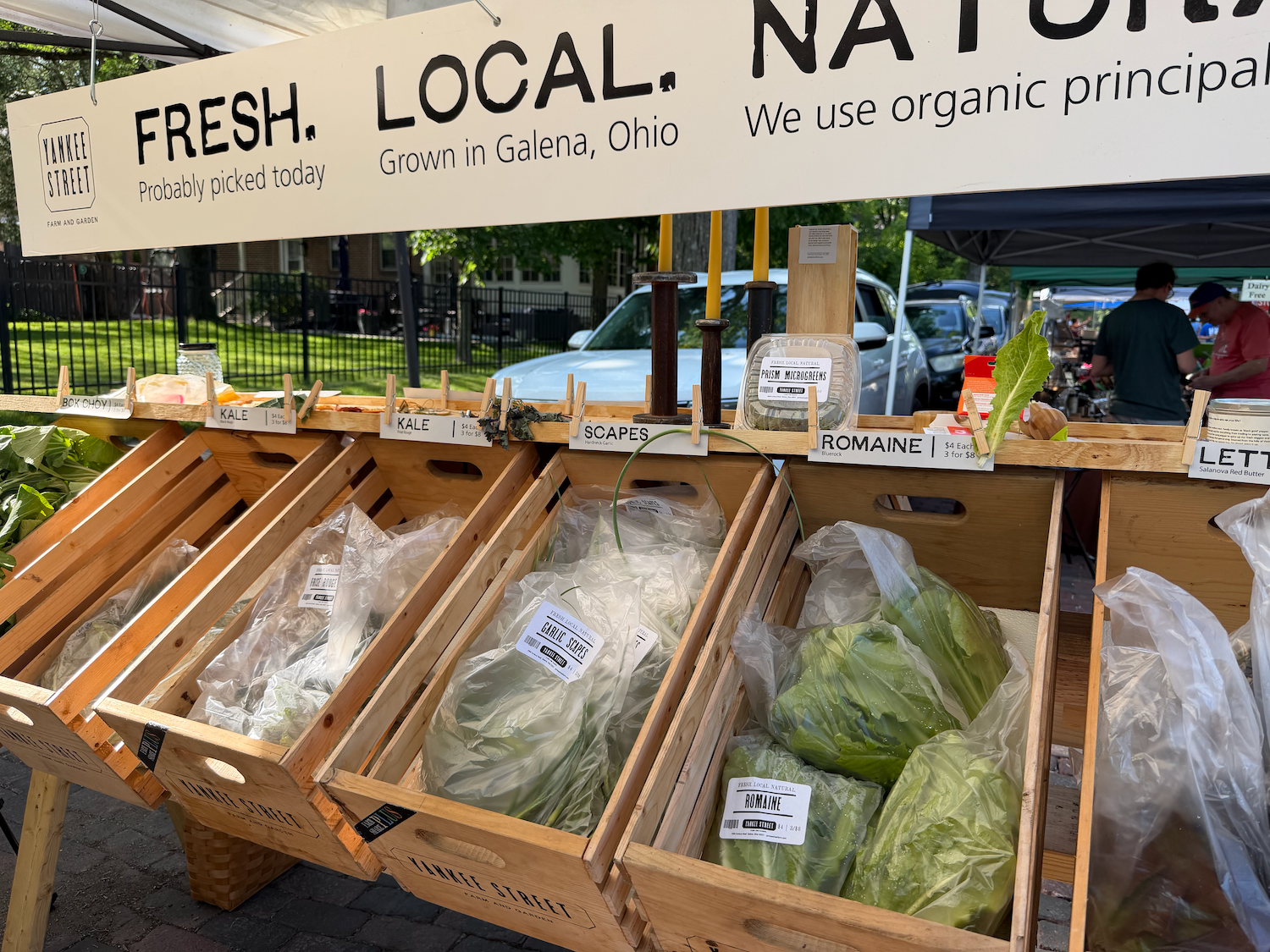



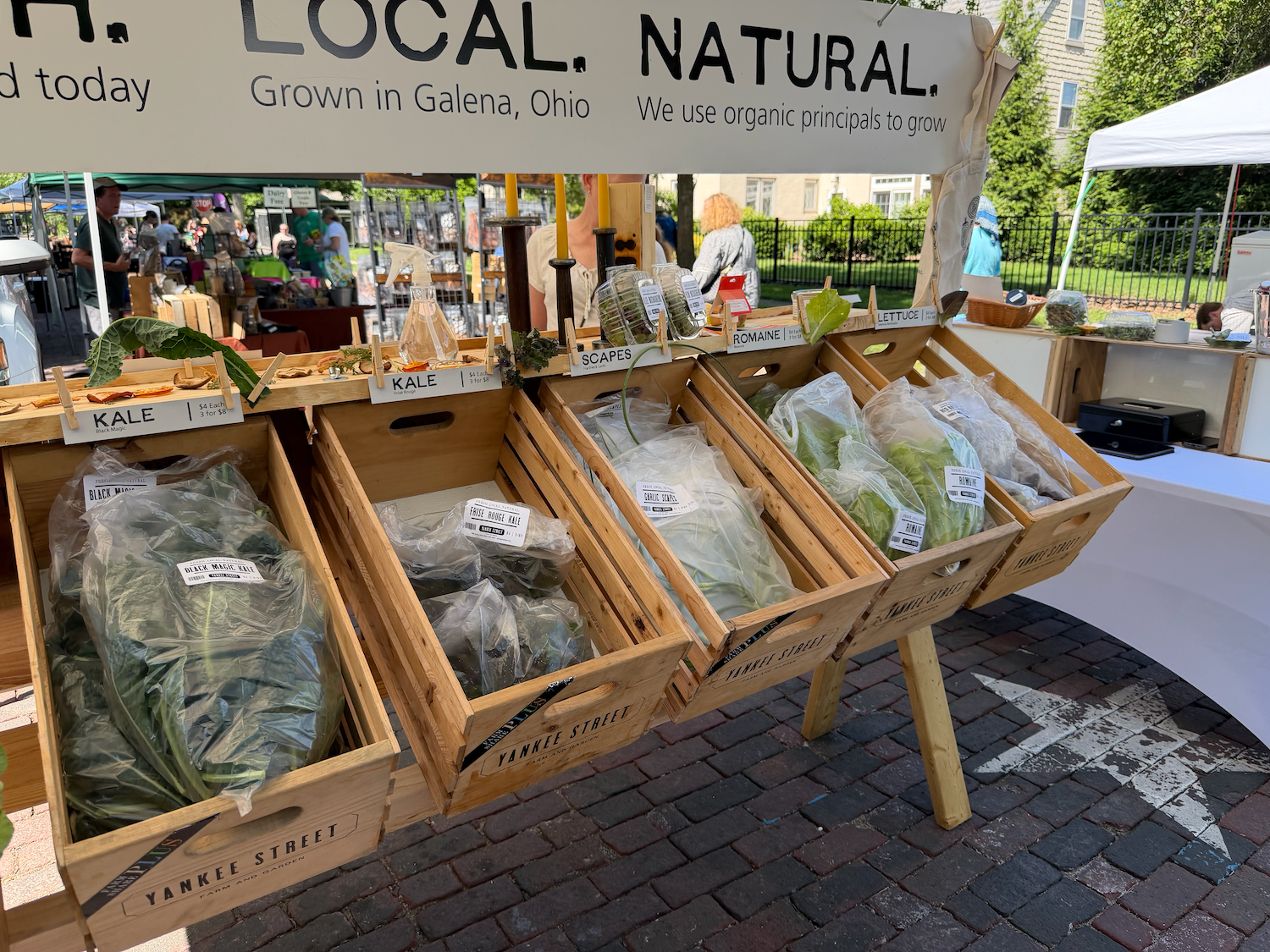






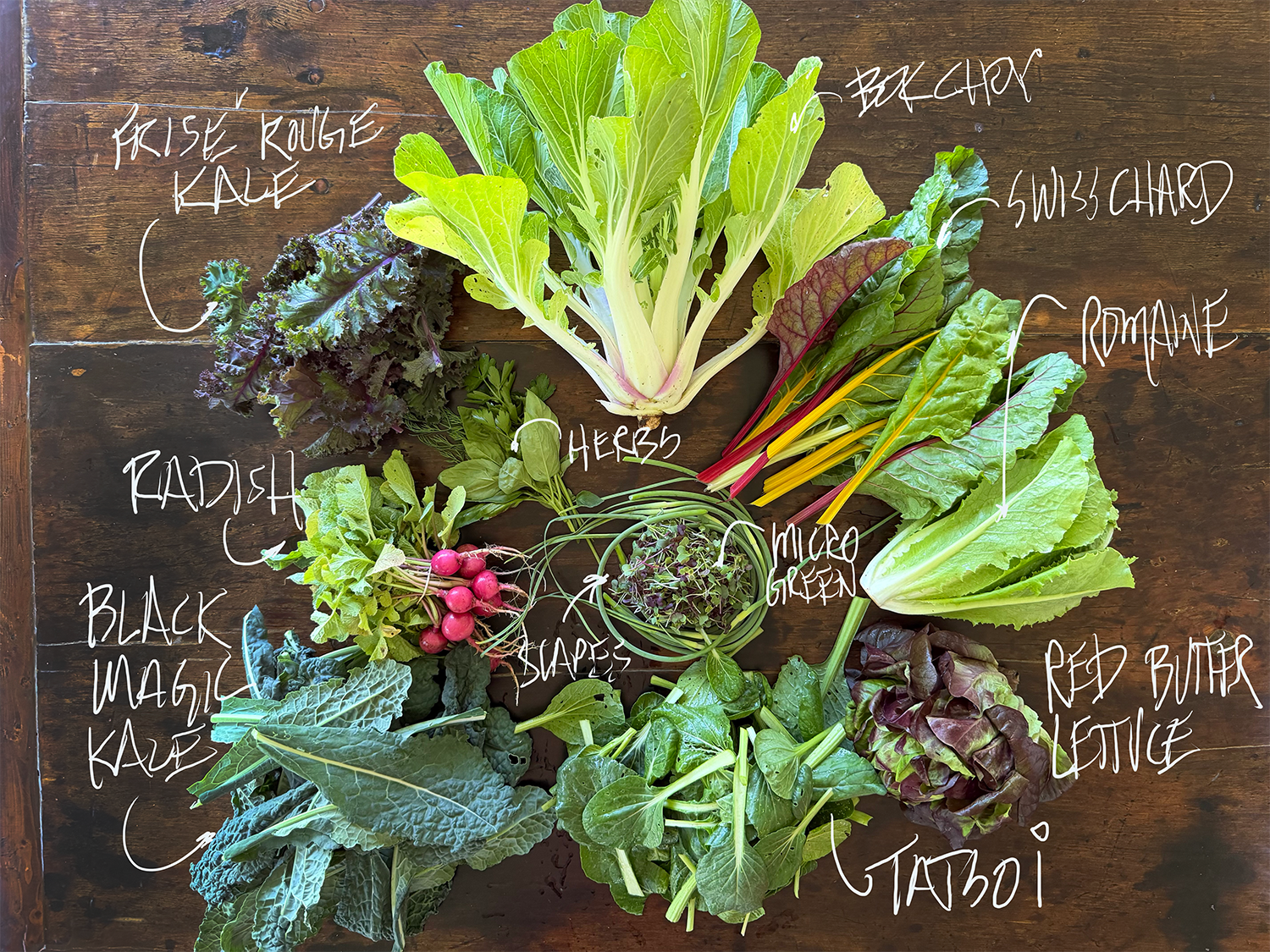
I thought it might be interesting to see what we’ve had for week 6 of the past years. Take a look at 2025 here.
-
BOK CHOY 101 - As far as cabbage goes, bok choy stands apart. With a crunchy, celery-like texture when cooking times are short, to a unique, creamy texture when left in the pan a little longer. You can steam, stir fry, broil, sauté or eat it raw by mixing it in a salad or slaw (so good it makes us rhyme!). Check out our blog for one of our favorite bok choy recipes!
EAT NOW - Wash bok choy by swishing in a bowl of water to remove dirt between stalks. Baby bok choy can be cooked whole or by halving. For larger varieties, separate leaves from stalk to prevent overcooking.
EAT LATER - Store unwashed bok choy in a perforated plastic bag in the refrigerator for up to 3-5 days. To freeze, blanch, then remove excess water and store them in an airtight bag. Good for up to 10 mo.
To blanch, bring a pot of lightly salted water to a rolling boil. While you wait for boil, prepare an ice bath. Once boiling, drop veggies into water - water should return to boil within a minute otherwise you have too much veg for the water. Once boil has returned, cook for 1-5 min until veg has a vibrant color. Immediately put into ice bath to stop cooking.
RECIPES
-
SCAPES 101 Raw garlic scapes are crunchy like green beans or asparagus, when cooked garlic scapes tend to take on a more muted and sweeter flavor similar to roasted garlic. Sauté your scapes with other fresh veggies to infuse everything with a subtle garlic flavor. Or, toss with oil, salt, and pepper and sauté or grill them - they’re great on their own or as a side. You can even cut them long to be used as a substitute for the green beans in a spicy stir-fry.
EAT NOW To prep, trim and discard the stringy tip of the scape and the bottom, woodier part of the stem. Cut crosswise, either minced or in large sections, depending on how you will use it.
OR LATER Store in a plastic bag in the fridge for 2-3 weeks or for a few days on the counter in a glass with cool water - bonus, it’s beautiful! Scapes can also be blanched, then stored in a plastic bag in the freezer for up to 1 mo.
RECIPES
yankeestreetfarm.com/blog/the-great-garlic-scape
-
KALE 101 - Wash leaves in lukewarm water. If your greens have thick stems, remove them by folding each leaf in half and slicing out the stem. Then, stack the leaves up and slice diagonally into 1” wide strips.
EAT NOW - Wrap unwashed chard or kale in a sealed plastic bag in the crisper drawer of the fridge. Best used very fresh, but may last for a week. To freeze, blanch washed greens, rinse in cold ice water, drain, and pack into airtight containers.
OR LATER - Swiss chard or kale can both be eaten raw or cooked. A longer cooking time is best as it brings out the sweetness in the greens. Extremely high in vitamin K and vitamin A, these nutrient-dense greens can help combat cancer and reduce blood pressure! Chard and kale can be used interchangeably with: collards, turnip greens, beet greens, broccoli raab, mustard greens, dandelion, and spinach.
-
Microgreens 101—Before use, rinse gently in cool (not hot or cold) water to remove excess dirt. Pat or spin dry, and you’re good to go! Pat or spin dry your greens to remove excess moisture (moisture = mush!). Place loosely in a plastic bag or container and put in the fridge. They will keep for up to one week.
Eat These Immediately!
-
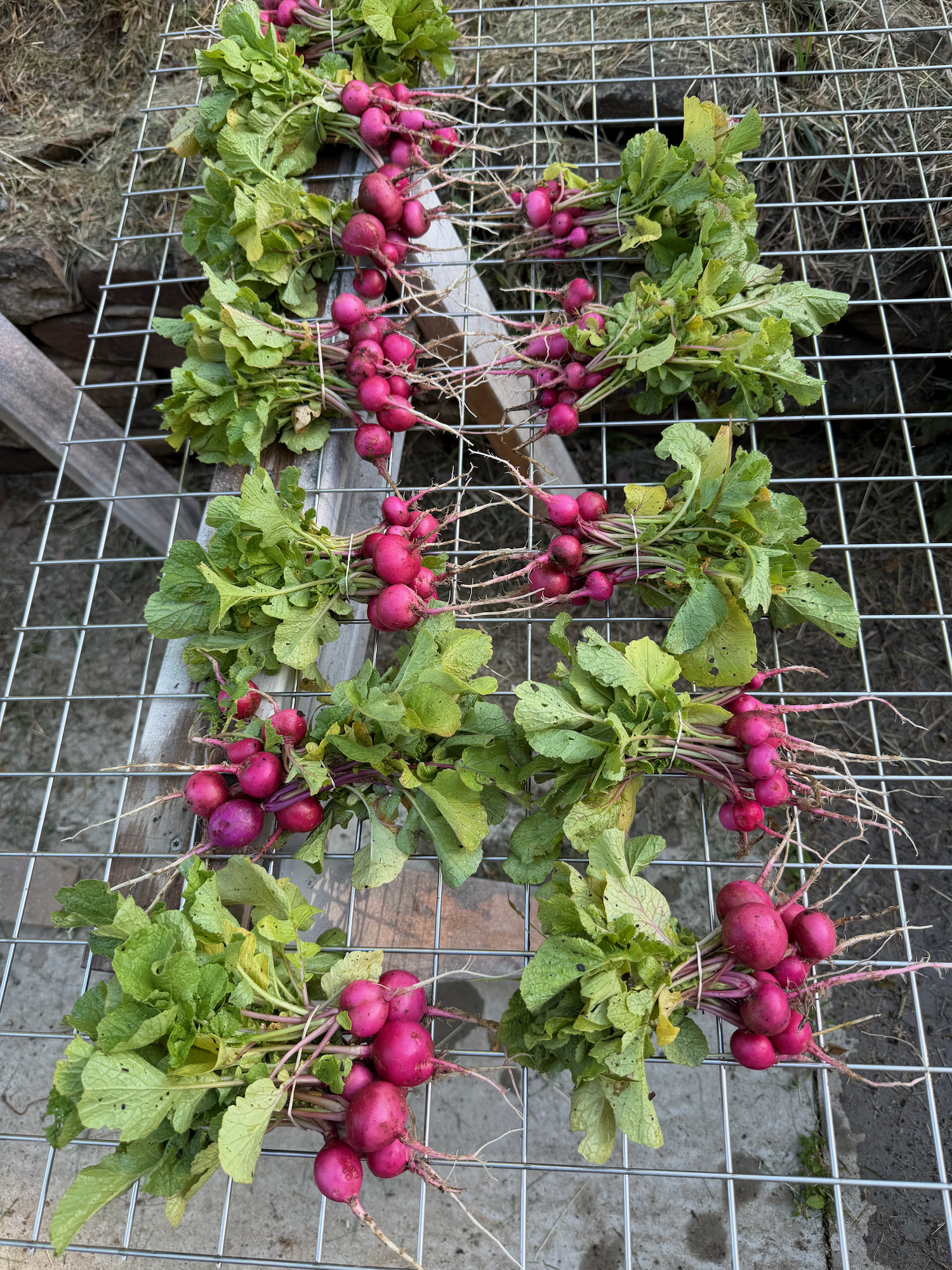
Radishes 101 Our radishes are delicious when raw, with a sprinkle of salt or butter. The spicy, raw flavor is a wonderful addition to slaws and salads, or you can sauté and roast radishes to bring out a more subtle earthly flavor. You can even try them grilled!
EAT NOW Scrub radishes well to remove dirt, then trim stem and rootlets. Slice, chop, or mince or leave them whole. Delicious raw or cooked.
OR LATER Remove leaves and store unwashed greens in loosely wrapped plastic bag in crisper. Store unwashed roots in plastic bag in fridge for up to 1 week.
RECIPES
-
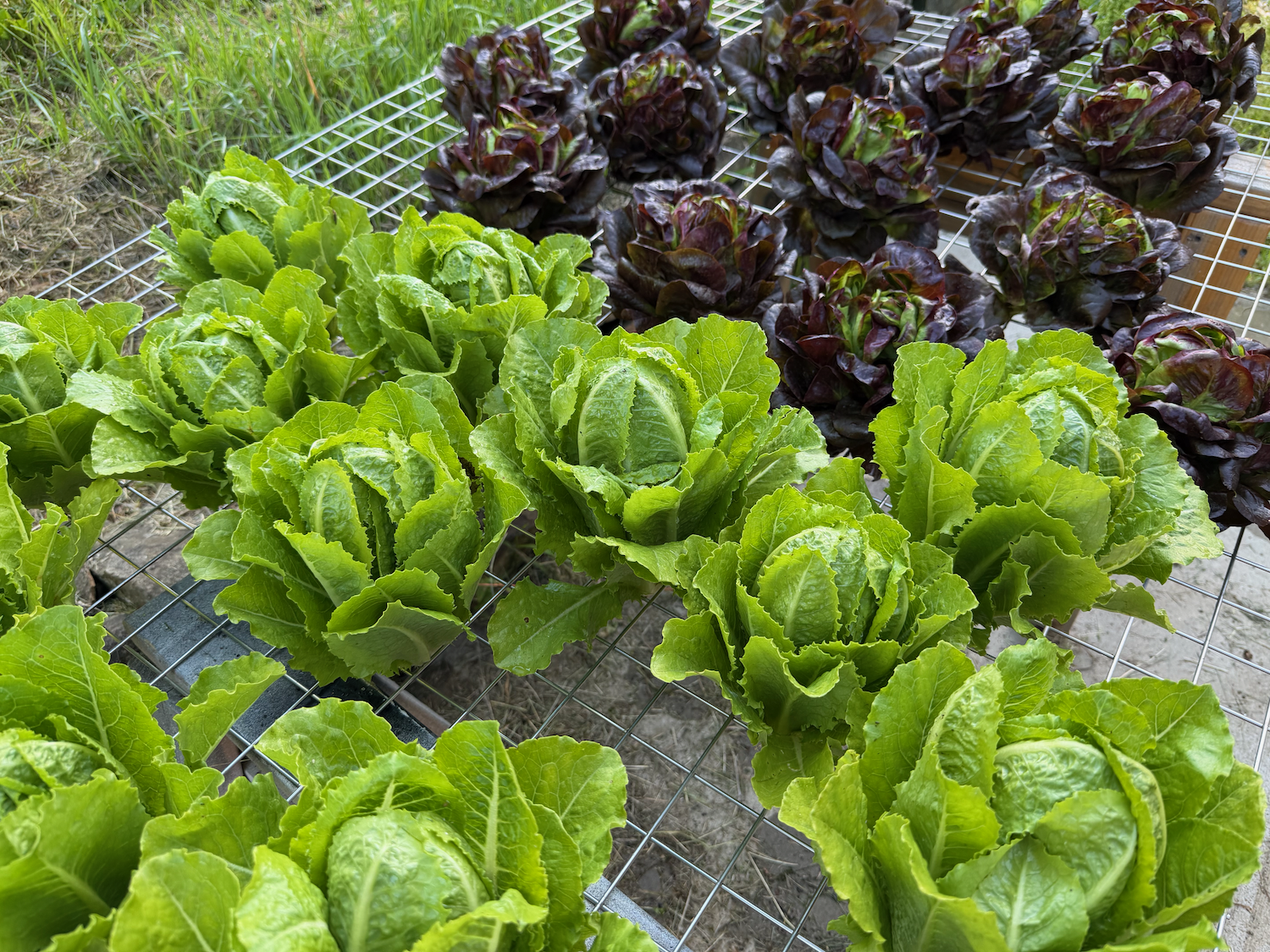
RED BUTTER LETTUCE 101 - Red Butter Lettuce is known for its soft, tender leaves, mild buttery flavor, and beautiful reddish-purple edges. This delicate lettuce is packed with nutrients including Vitamins A and K, folate, and antioxidants. Its velvety texture makes it perfect for fresh salads, sandwiches, wraps, or as a colorful garnish for almost any meal. Pair it with bright vegetables, fruit, nuts, or creamy cheeses for an easy and elegant salad.
EAT NOW - Gently separate the leaves from the base and discard any wilted or damaged outer leaves. Rinse carefully in cold water and pat dry or use a salad spinner. Tear into bite-size pieces and enjoy fresh.
OR LATER - Store unwashed lettuce in a plastic bag or container in the refrigerator crisper drawer. If washed, dry thoroughly and store with a paper towel to absorb excess moisture and keep leaves crisp longer.
-
ROMAINE 101 - Romaine lettuce belongs to the lettuce family, Asteraceae, and it is characterized by its elongated, sturdy leaves and crisp texture. It is a nutritious vegetable, rich in vitamins and minerals. Romaine lettuce is an excellent source of Vitamin A, Vitamin K, folate, and fiber.. If you’re looking for low carb options, try using the large leaves as a wrap with your favorite fillings. Or, whip together a crisp and delicious salad by mixing with other greens and your favorite fruits, nuts, or cheeses!
EAT NOW - Slice the head of your lettuce at the base with a knife and let the leaves fall open. Remove any damaged or leathery leaves, then tear remaining into bitesize pieces. Wash in a basin of cold water and spin dry.
OR LATER - Store unwashed lettuce in a plastic bag in the refrigerator. If you’ve already washed and dried it, place in a plastic bag with a dry paper towel in the bag as well and place in the vegetable crisper of your refrigerator.
RECIPES
-
SWISS CHARD 101 - A member of the Beet family, Swiss chard can be eaten raw or cooked. A longer cooking time is best as it brings out the sweetness in the green. Extremely high in vitamin K and vitamin A, this nutrient-dense green can help combat cancer and reduce blood pressure! Chard can be used interchangeably with: collards, turnip greens, beet greens, broccoli raab, mustard greens, dandelion, spinach and kale.
EAT NOW - Wash leaves in lukewarm water. If your greens have thick stems, remove them by folding each leaf in half and slicing out the stem. Then, stack the leaves up and slice diagonally into 1” wide strips.
OR LATER - Wrap unwashed chard in a sealed plastic bag in the crisper drawer of the fridge. Best used very fresh, but may last for a week. To freeze, blanch washed greens, rinse in cold ice water, drain, and pack into airtight containers.
RECIPES
-
TATSOI 101 – Rinse leaves gently in cool water and pat dry. Trim the base if needed and separate larger rosettes into individual leaves. The tender stems and leaves are both edible, making prep quick and easy.
EAT NOW – Store unwashed tatsoi in a sealed bag or container in the refrigerator crisper drawer. Best enjoyed within 3–5 days for peak flavor and texture. Wash just before using.
OR LATER – Tatsoi can be eaten raw or cooked. Its mild, slightly mustardy flavor shines in salads, sandwiches, soups, stir-fries, and sautéed dishes. A quick cooking time preserves its tender texture and nutrients. Rich in vitamins A, C, and K, tatsoi is a nutrient-dense green that supports immune health and healthy bones. Tatsoi can be used interchangeably with: baby bok choy, spinach, arugula, mizuna, mustard greens, napa cabbage, and other Asian greens.
-
HERB PACK 101 - Rinse herbs gently in cool water and pat dry. Remove any tough stems from rosemary and thyme, then chop herbs as needed. Basil, parsley, dill, rosemary, and thyme each bring their own unique flavor and can be used individually or blended together in countless dishes.
EAT NOW - Store herbs unwashed in the refrigerator. Wrap loosely in a damp paper towel and place in a sealed bag or container. Basil prefers room temperature and should be kept on the counter like a bouquet of flowers. Most herbs are best used within a week for maximum freshness and flavor.
OR LATER - Fresh herbs can be used raw or cooked. Parsley, basil, and dill add bright flavor to salads, dressings, dips, and sauces, while rosemary and thyme shine in roasted vegetables, meats, soups, and stews. Herbs are packed with antioxidants and beneficial plant compounds that support overall health. This herb blend can be used interchangeably with: oregano, sage, cilantro, marjoram, tarragon, chives, and mint.