
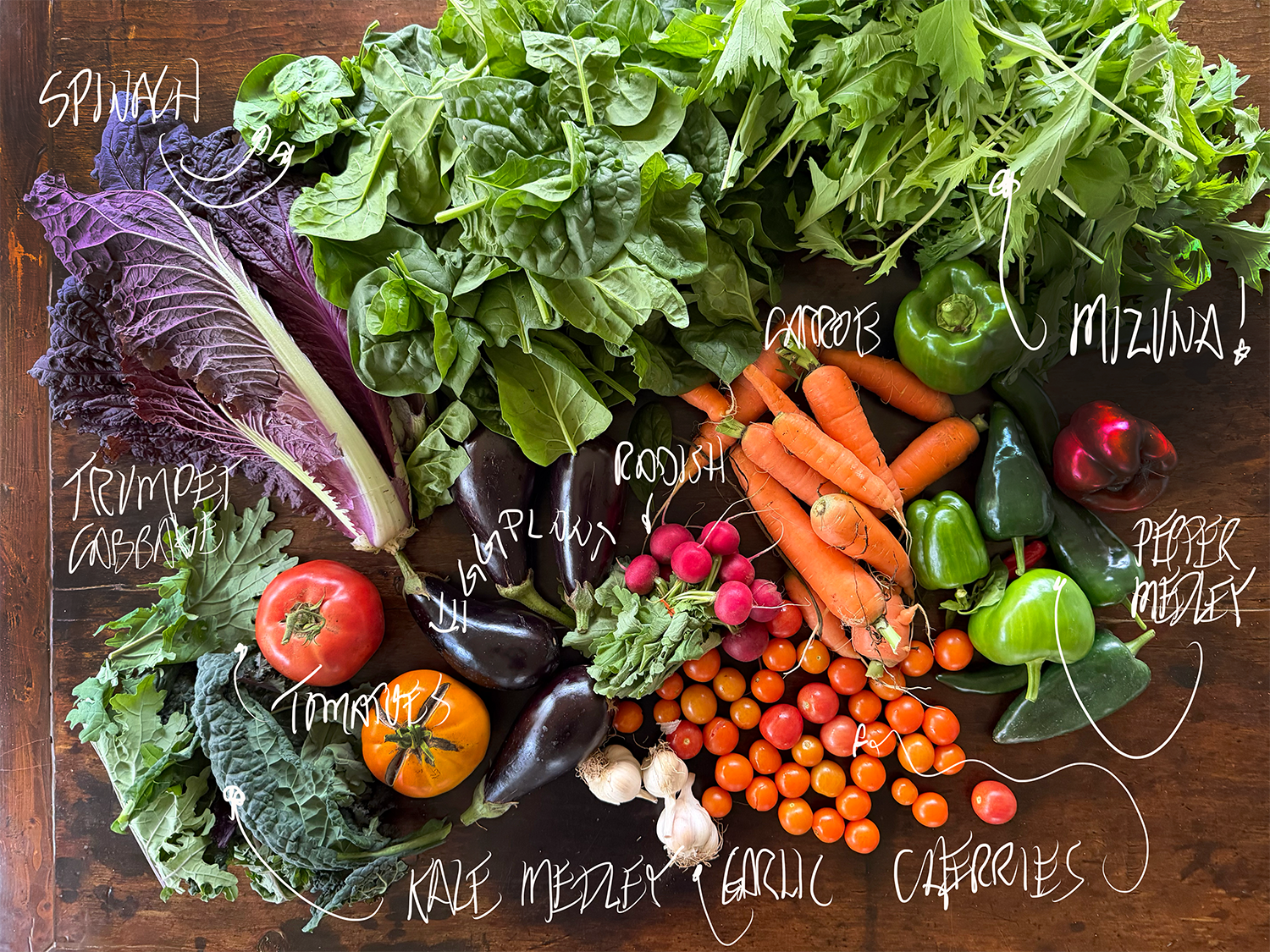
We’re going to need a bigger crate!
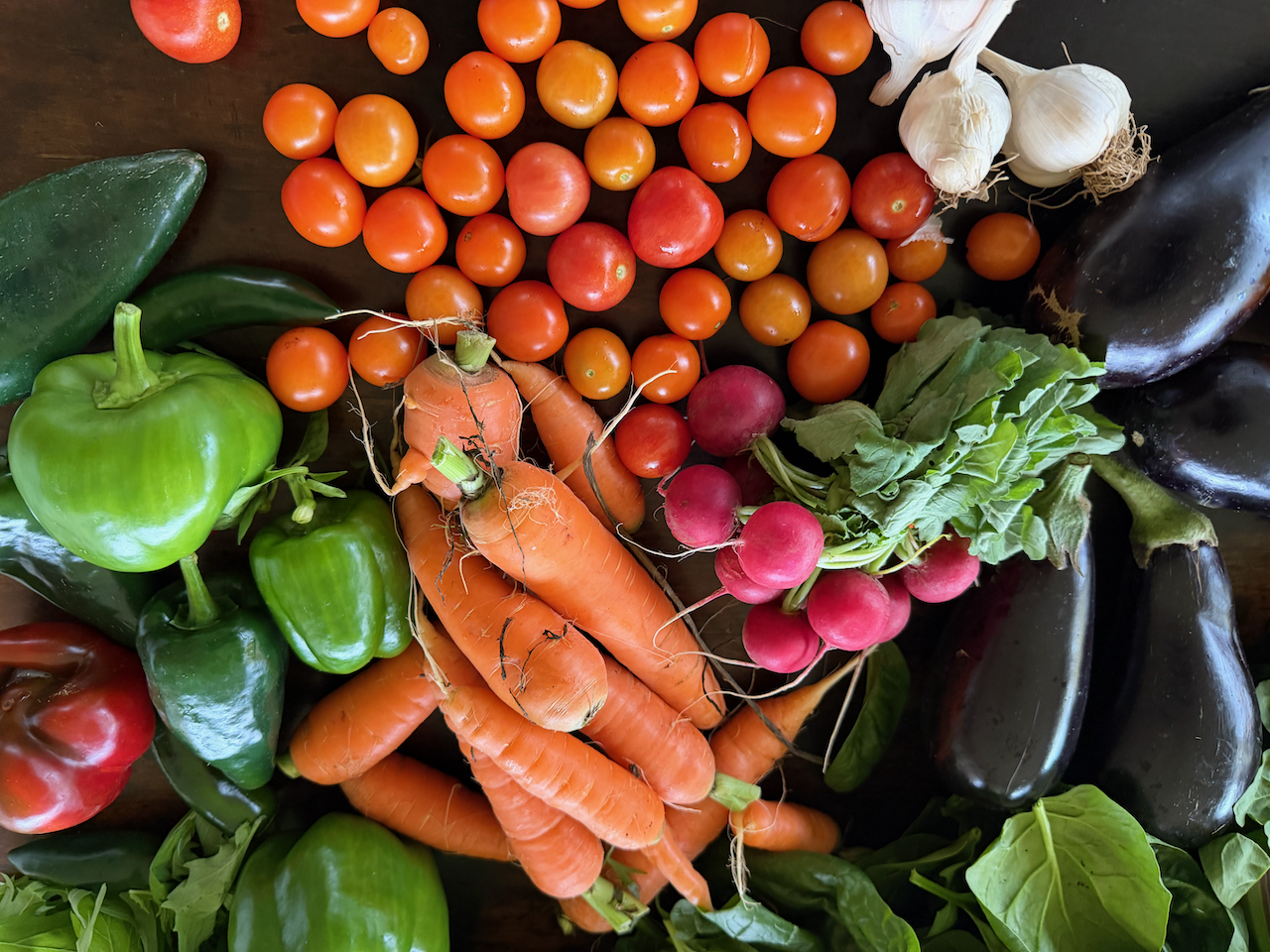
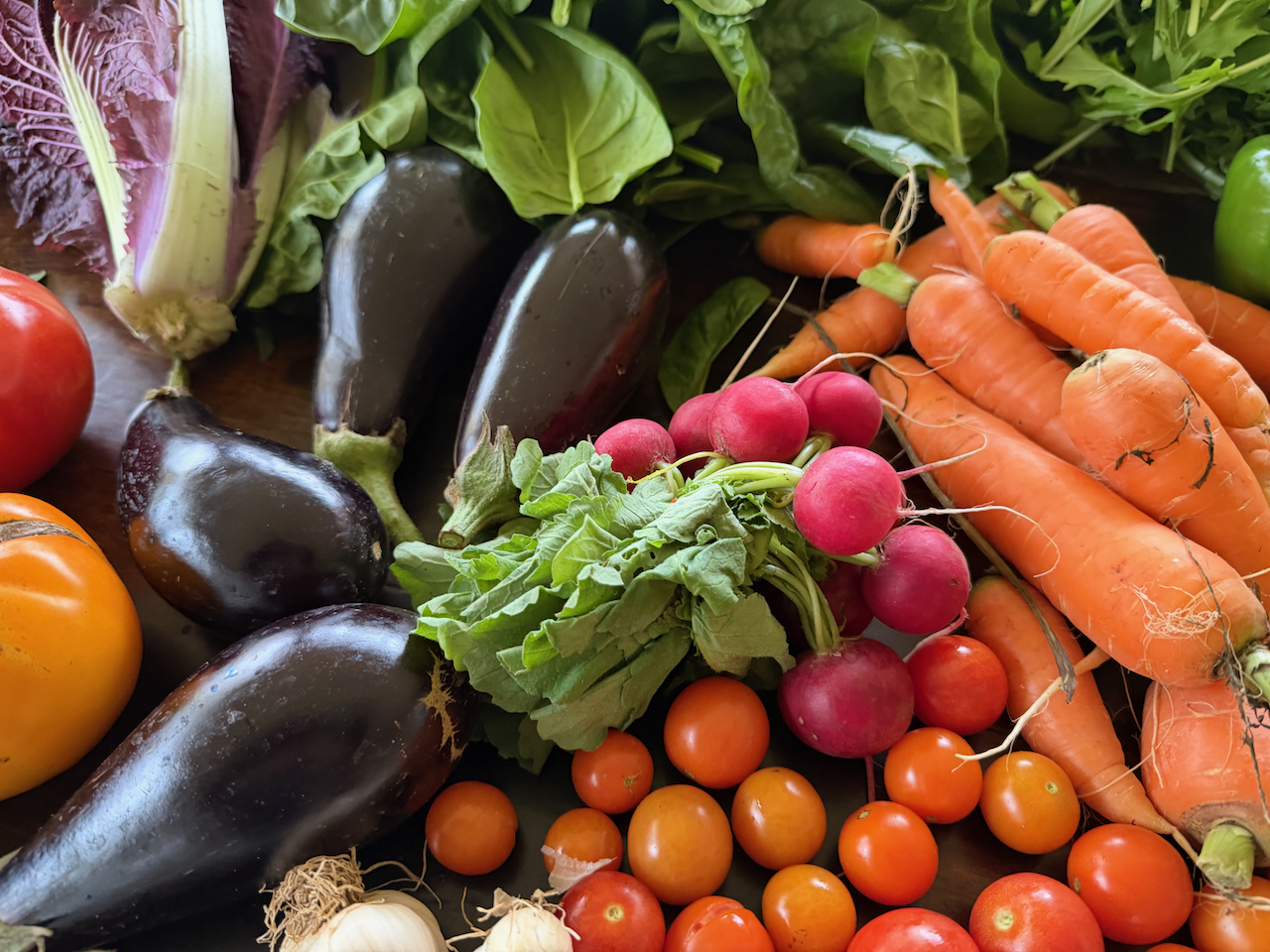
Our first bonus week. The garden season is over, but don't tell the garden that. It’s been busy producing like there’s no tomorrow. This might be our biggest harvest of the year, in both quantity and variety.
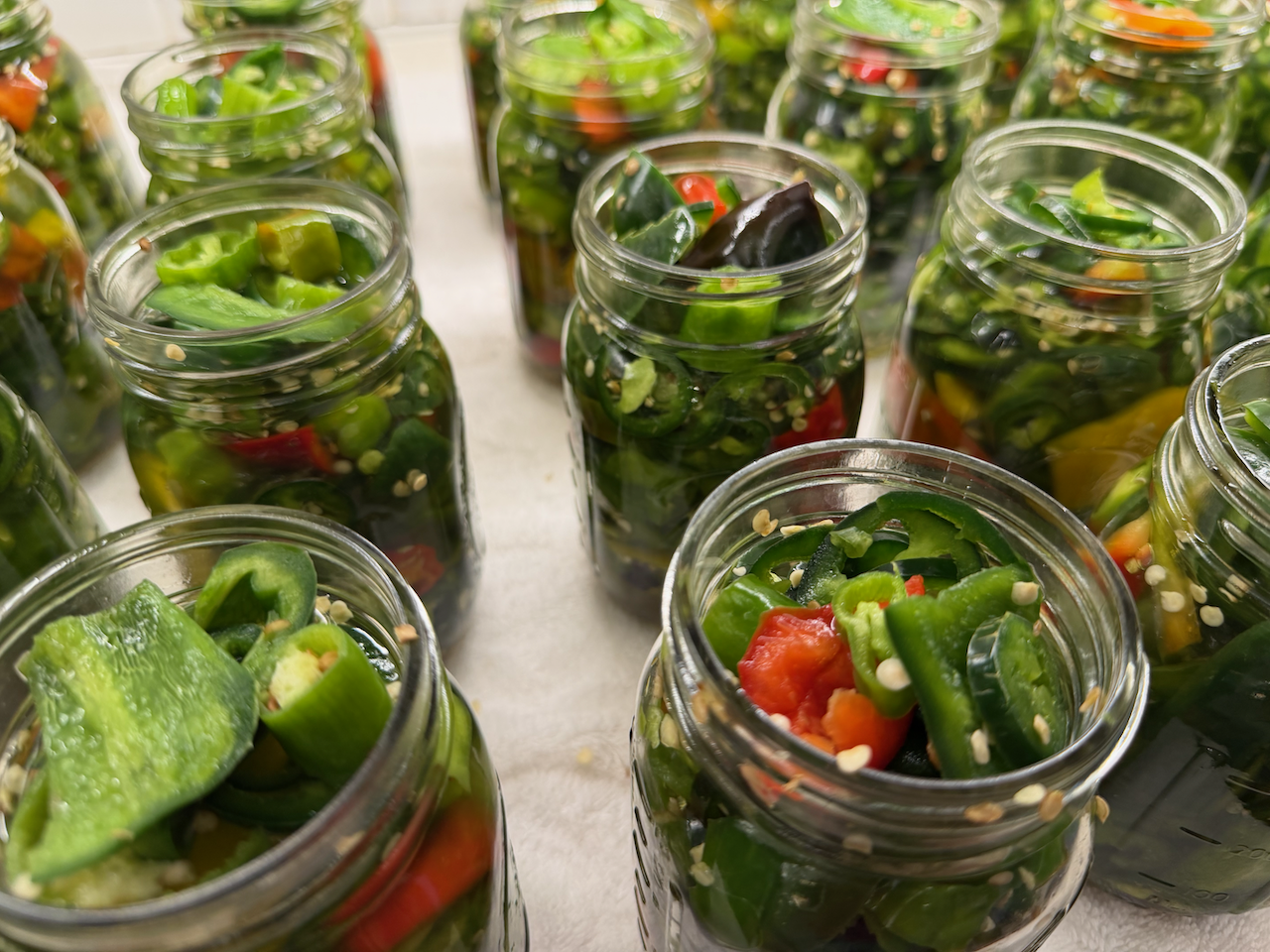
Announcing a Special Offer We are planning a Thanksgiving Harvest this year. I am out of town this weekend, so I'm planning to have the shares ready on Tuesday, November 24th. We’re aiming for 20 crates, and they’ll be available on a first-come, first-served basis, so reserve yours now. Here’s what you can plan on having - and we’ll provide enough for a crowd: Spinach, Miziuna, Hakurei Turnips, Butternut and Acorn Squash, Fresh Garlic, Various peppers, Small onions, beets, storage carrots. Also included are some Pete’s Pickled Peppers and microgreens too.
Text or email me to lock in your share. pete@yankeesteetfarm or 513.720.3730. Venmo, check, cash all work. Cost is $50/crate. Elevate your Thanksgiving meal with home-grown veggies from Yankee Street Farm and Garden.
See you in a couple of weeks!

-
CABBAGE 101 - Cabbage has many uses, as well as great storage capacity when chilled. Use leaves for soups and noodles, the crunchy rib for stir-fry or fermented kimchi, the crisp outer layer is great for salads and wraps, while the inner layer is best for steaming or poaching - we recommend trying it all!
EAT NOW - Remove any floppy or yellowed outer leaves, then chop off stem and halve. Remove core (V cut) and separate leaves. Rinse, dry, then chop or shred.
EAT LATER - Store dry, unwashed cabbage in the veggie bin of your fridge for months. Once cut, wrap in sealed plastic bag and continue to refrigerate for several weeks.
RECIPES -
yankeestreetfarm.com/ blog/grilled-slaw-withginger- and-sesame
-
CARROTS 101 - Crunchy, tasty, and highly nutritious, carrots are one of our favorite root vegetables. Carrots are a great source of beta carotene, fiber, vitamin K1, potassium, and antioxidants! We’re used to seeing orange carrots, but did you know carrots come in a variety of colors like yellow, white, red, and even purple? Both the root and the greens are edible - the leaves make for a great garnish or addition to pesto. The greens have a slightly bitter taste that compliments the sweetness of the root.
EAT NOW - Because we don’t use pesticides, our carrots don’t need to be peeled. Simply rinse and scrub any dirt before use. Eaten raw, carrots are great whole, julienned, speared, or chopped. Carrots can be boiled, sautéd, stir fried, or even air fried! Fresh carrot tops can be chopped into a green salad or stir-fry too! The greens can also be dried and used as an herb like parsley.
OR LATER - To avoid “floppy carrots,” remove the green tops as soon as you can, leaving about an inch of stems. Save the greens separately. Then, place root in a bag in the fridge or in a bin of water (like celery) to keep them crisp, changing out the water every few days. Uncut carrots will last in the fridge for up to 4 weeks. They can also be chopped, then blanched and placed in an airtight container in the freezer to keep longer. Store the tops in a separate bag in the fridge. Or put them in a plastic Ziplock in your freezer and use them to make DIY vegetable or chicken stock.
To blanch, bring a pot of lightly salted water to a rolling boil. While you wait for boil, prepare an ice bath. Once boiling, drop veggies into water - water should return to boil within a minute otherwise you have too much veg for the water. Once boil has returned, cook for 1-5 min until veg has a vibrant color. Immediately put into ice bath to stop cooking.
RECIPIES
-
GGPLANT 101 – With its beautiful purple skin and creamy texture, eggplant is a versatile summer vegetable that soaks up flavors like a sponge. Eggplant is a good source of fiber, vitamins, minerals, and antioxidants, especially anthocyanins found in its purple skin. It has a mild, slightly earthy flavor that becomes rich and almost buttery when cooked. From grilling and roasting to stir-frying and baking, eggplant is delicious in everything from simple side dishes to hearty main courses. And no need to peel it — the skin is edible and nutritious!
EAT NOW – Rinse and slice, cube, or halve your eggplant. Toss with olive oil, salt, and pepper, then roast, grill, or sauté until tender and golden brown. Eggplant is wonderful with garlic, tomatoes, basil, and Parmesan, or seasoned with Mediterranean spices. Try it in pasta, curry, stir-fry, or a classic eggplant Parmesan. You can also roast it until soft and blend it into a smoky baba ganoush dip. Smaller, younger eggplants tend to have fewer seeds and a more tender texture, so there's usually no need to salt them before cooking.
OR LATER – Eggplant is best enjoyed fresh, but it can be stored for several days. Keep it unwashed in a loosely sealed bag in a cool spot or in the refrigerator's crisper drawer. Eggplant is sensitive to cold, so avoid storing it in the coldest part of your fridge. For longer storage, slice or cube it, blanch for 4 minutes, then transfer immediately to an ice bath. Drain, dry, and freeze in an airtight container or freezer bag. You can also roast or grill eggplant before freezing for an easy addition to future meals. Frozen eggplant will be softer after thawing, making it ideal for sauces, soups, and casseroles.
-
GARLIC 101 - Separate the cloves as needed and peel just before using. To peel a clove, place it under the flat side of a knife and give it a gentle tap to loosen the skin. Trim off the root end, then mince, slice, crush, or leave whole.
EAT NOW - Store cured garlic bulbs whole, unwashed, and unpeeled in a cool, dry, dark place with good air circulation. A basket, mesh bag, or open container works well. Properly cured garlic can last for several months. Avoid storing it in the refrigerator, where humidity can encourage sprouting or mold.
OR LATER - Garlic can be eaten raw or cooked and adds flavor to almost any savory dish. Roast whole bulbs for a mellow, sweet flavor, or sauté minced cloves for a sharper garlic kick. Cured garlic is rich in sulfur-containing compounds and antioxidants. Use garlic in: sauces, soups, dressings, marinades, roasted vegetables, pestos, and just about anything that needs a little more flavor.
-
KALE 101 - Wash leaves in lukewarm water. If your greens have thick stems, remove them by folding each leaf in half and slicing out the stem. Then, stack the leaves up and slice diagonally into 1” wide strips.
EAT NOW - Wrap unwashed chard or kale in a sealed plastic bag in the crisper drawer of the fridge. Best used very fresh, but may last for a week. To freeze, blanch washed greens, rinse in cold ice water, drain, and pack into airtight containers.
OR LATER - Swiss chard or kale can both be eaten raw or cooked. A longer cooking time is best as it brings out the sweetness in the greens. Extremely high in vitamin K and vitamin A, these nutrient-dense greens can help combat cancer and reduce blood pressure! Chard and kale can be used interchangeably with: collards, turnip greens, beet greens, broccoli raab, mustard greens, dandelion, and spinach.
-
MIZUNA 101 – Mizuna is a beautiful, feathery Asian green with tender leaves and a mild, peppery flavor, somewhere between arugula and mustard greens. Packed with vitamins A, C, and K, along with antioxidants, mizuna is a nutritious addition to your plate. Its delicate texture and slightly spicy bite make it a great way to add fresh flavor to salads, sandwiches, soups, and stir-fries. It’s delicious raw or cooked!
EAT NOW – Rinse well and pat dry. Enjoy mizuna fresh in salads, toss it into sandwiches or wraps, or use it as a peppery topping for pizza. It pairs beautifully with citrus, apples, nuts, and a simple olive oil vinaigrette. For a warm dish, sauté it with garlic and olive oil, stir it into pasta, or add it to soups and stir-fries during the last few minutes of cooking. The leaves cook quickly, much like spinach!
OR LATER – Mizuna is delicate, so use it while it’s fresh. Store unwashed leaves in a loosely sealed bag or airtight container lined with a paper towel in the refrigerator. The towel helps absorb excess moisture and keeps the leaves from getting soggy. Stored properly, mizuna should last about 3–5 days. If the leaves begin to wilt, revive them in a bowl of cold water. You can also sauté or blanch mizuna and freeze it for later use, although the texture will be softer once thawed.
-
PEPPERS 101 - Whether hot or sweet, peppers are full of beneficial vitamins and minerals and are great raw or cooked. They can be sliced on pizzas or as part of salads and even stuffed with meats and cheeses. Hotter peppers like jalapeños can be cooked or roasted to reduce their heat. They make a great addition to any meal such as: sandwiches, tacos, pizzas, or chopped and added to soups, stews, sauces and more. Our personal favorite, are Jalapeño Poppers.
EAT NOW - First rinse and dry your peppers. Cut off the top and slice. If preparing hot peppers, be careful to wash your hands after handling - don’t touch your eyes! For less spicy peppers, cut in half length-wise and remove seeds and ribs. Are best stored whole.
OR LATER - Store whole or sliced in fridge for up to 1 week. To store longer, flash freeze (whole or sliced) on a cookie sheet. Transfer to a freezer bag once frozen. They keep well in the freezer – no need to thaw for use in cooked dishes.
RECIPES
-
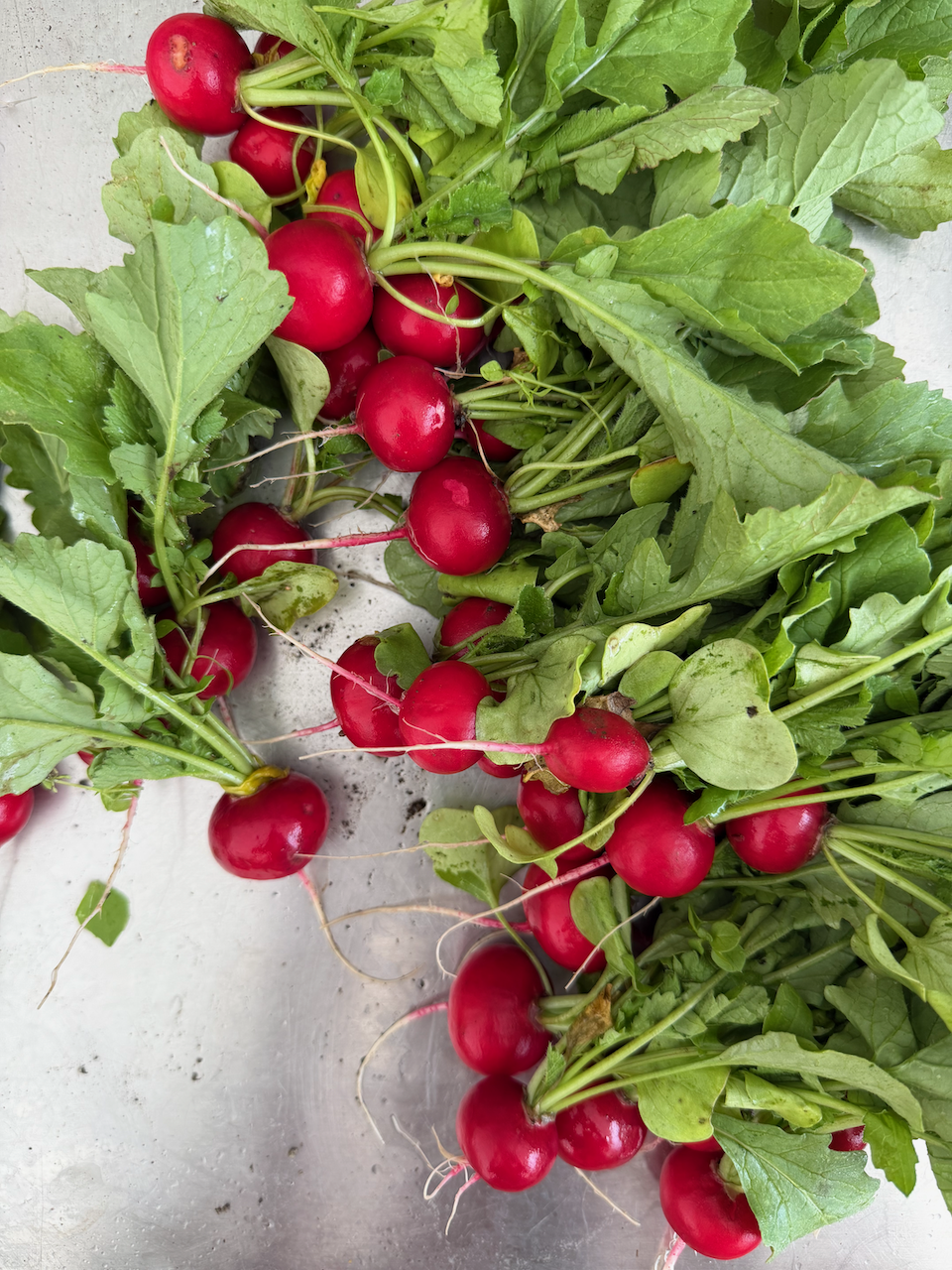
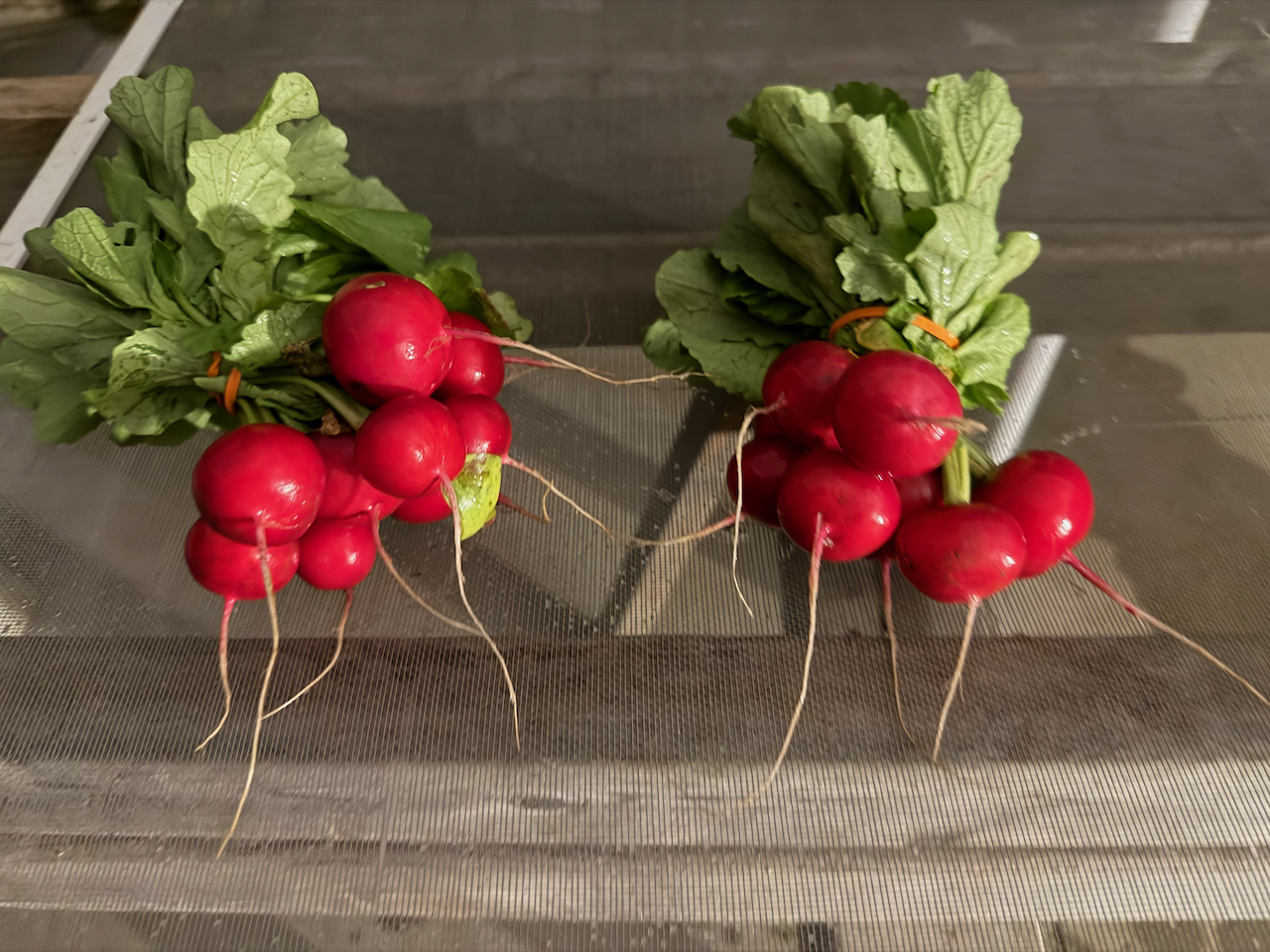
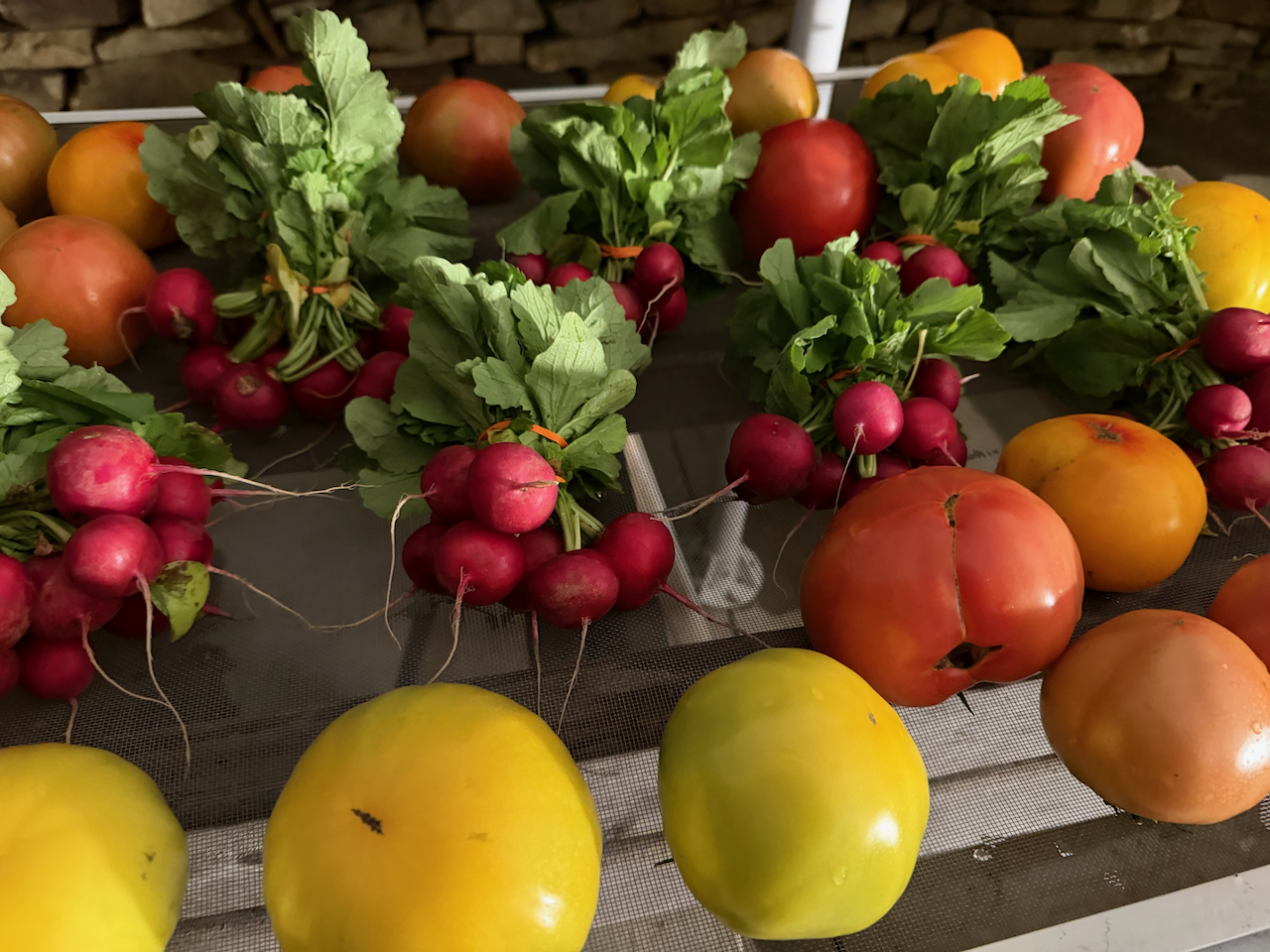
Radishes 101 Our radishes are delicious when raw, with a sprinkle of salt or butter. The spicy, raw flavor is a wonderful addition to slaws and salads, or you can sauté and roast radishes to bring out a more subtle earthly flavor. You can even try them grilled!
EAT NOW Scrub radishes well to remove dirt, then trim stem and rootlets. Slice, chop, or mince or leave them whole. Delicious raw or cooked.
OR LATER Remove leaves and store unwashed greens in loosely wrapped plastic bag in crisper. Store unwashed roots in plastic bag in fridge for up to 1 week.
RECIPES
-
TOMATOES 101 - Probably the most versatile fruit in the garden, tomatoes can be used in countless ways - salsa, gazpacho, sauces, slow roasted, puree and even a bloody Mary. Ours are grown for taste so eat them right out of the crate.
EAT NOW - Store unripe tomatoes upside down on a plate at room temperature until they fully ripen. Wash, pat dry, slice or dice, and enjoy the taste of a real tomato.
OR LATER - Refrigerate any fully ripe tomatoes - allow to come to room temp before serving. To freeze, first blanch and dunk in ice water to cool. Remove stems and core. Transfer to storage bags, seal and place in freezer.
To blanch, bring a pot of lightly salted water to a rolling boil. While you wait for boil, prepare an ice bath. Once boiling, drop veggies into water - water should return to boil within a minute otherwise you have too much veg for the water. Once boil has returned, cook for 1-5 min until veg has a vibrant color. Immediately put into ice bath to stop cooking.
RECIPES
-
SPINACH 101 - This versatile, leafy green is packed with nutrients and antioxidants. Plus, it’s a great source of plant-based iron! It can be eaten raw or lightly cooked. To get the most out of your cooked spinach, briefly blanch, steam, or sauté until it turns bright green.
EAT NOW - Swish leaves in basin of cool water and let sit for a minute to remove grit. Then, spin or pat dry. Ready to eat raw! If you want to cook your spinach, blanch, steam, or sauté til just wilted. Color will brighten beautifully to signal it is done. Serve immediately.
OR LATER - Keep dry, unwashed greens in a sealed plastic bag in the refrigerator up to 1 week. To freeze, blanch washed greens for 1 minute, drain, and pack into airtight containers and place in freezer - will keep for up to a year. Frozen spinach is a great addition to smoothies!
To blanch, bring a pot of lightly salted water to a rolling boil. While you wait for boil, prepare an ice bath. Once boiling, drop veggies into water - water should return to boil within a minute otherwise you have too much veg for the water. Once boil has returned, cook for 1-5 min until veg has a vibrant color. Immediately put into ice bath to stop cooking.
RECIPES