
2026 Season | Week 3
And We’re Off…
A VERY busy week on Yankee Street - we are past our Zone 6B safe planting date - traditionally Mother’s Day. So it’s off to the races to get everything into the ground. Our tomatoes picked up a pathogen, so we had to give each plant a haircut and some TLC. It looks like they will recover, so…whew. Summer squash, tatsoi, celery, red and yellow onions also went in the ground this week. Romaine lettuce makes its first appearance this season. We’ll have it for the next few weeks.
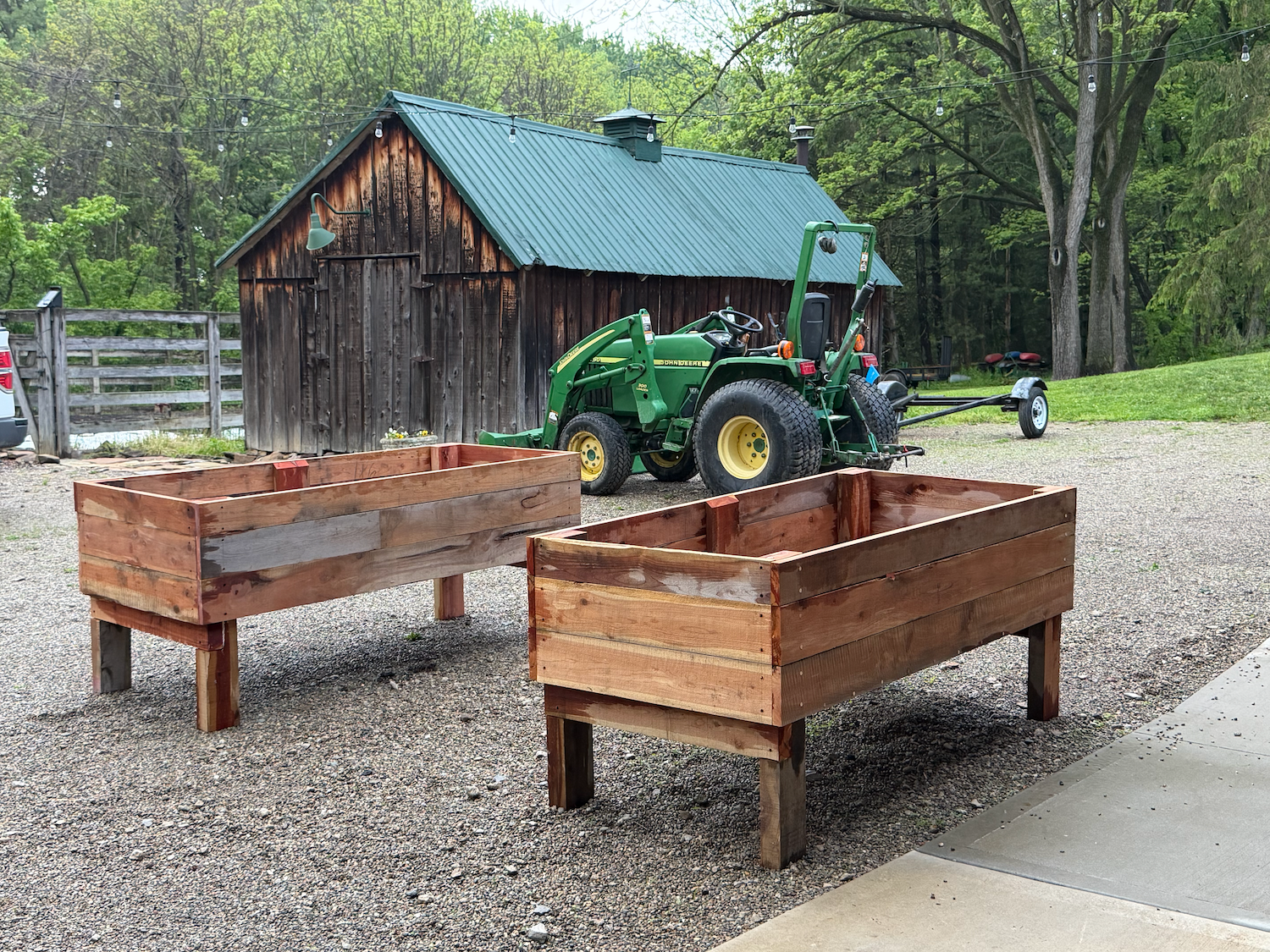
We finished building some spiffy new raised planters so Charlotte can tend to the herb and flower garden this year. We placed them and will load them with transplants in the next week.
This Thursday, we’re going to try our hand at having a booth at the Bexley Farmers Market. We’ll be there every other Thursday this summer from 4-7 - come say hi to Charlotte and her sister, Anne.




-
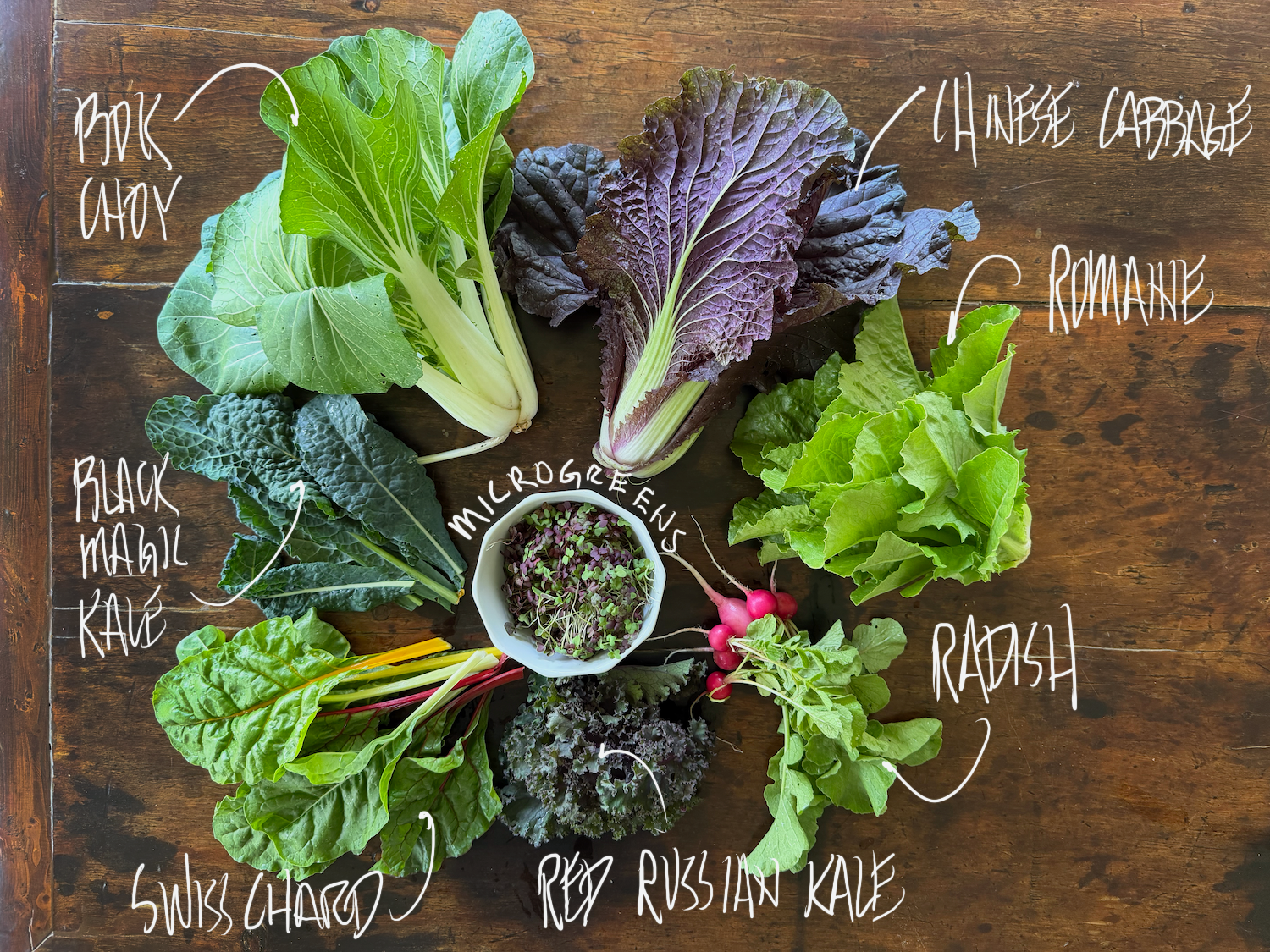
BOK CHOY 101 - As far as cabbage goes, bok choy stands apart. With a crunchy, celery-like texture when cooking times are short, to a unique, creamy texture when left in the pan a little longer. You can steam, stir fry, broil, sauté or eat it raw by mixing it in a salad or slaw (so good it makes us rhyme!). Check out our blog for one of our favorite bok choy recipes!
EAT NOW - Wash bok choy by swishing in a bowl of water to remove dirt between stalks. Baby bok choy can be cooked whole or by halving. For larger varieties, separate leaves from stalk to prevent overcooking.
EAT LATER - Store unwashed bok choy in a perforated plastic bag in the refrigerator for up to 3-5 days. To freeze, blanch, then remove excess water and store them in an airtight bag. Good for up to 10 mo.
To blanch, bring a pot of lightly salted water to a rolling boil. While you wait for boil, prepare an ice bath. Once boiling, drop veggies into water - water should return to boil within a minute otherwise you have too much veg for the water. Once boil has returned, cook for 1-5 min until veg has a vibrant color. Immediately put into ice bath to stop cooking.
RECIPES
-
CABBAGE 101 - Cabbage has many uses, as well as great storage capacity when chilled. Use leaves for soups and noodles, the crunchy rib for stir-fry or fermented kimchi, the crisp outer layer is great for salads and wraps, while the inner layer is best for steaming or poaching - we recommend trying it all!
EAT NOW - Remove any floppy or yellowed outer leaves, then chop off stem and halve. Remove core (V cut) and separate leaves. Rinse, dry, then chop or shred.
EAT LATER - Store dry, unwashed cabbage in the veggie bin of your fridge for months. Once cut, wrap in sealed plastic bag and continue to refrigerate for several weeks.
RECIPES -
yankeestreetfarm.com/ blog/grilled-slaw-withginger- and-sesame
-
KALE 101 - Wash leaves in lukewarm water. If your greens have thick stems, remove them by folding each leaf in half and slicing out the stem. Then, stack the leaves up and slice diagonally into 1” wide strips.
EAT NOW - Wrap unwashed chard or kale in a sealed plastic bag in the crisper drawer of the fridge. Best used very fresh, but may last for a week. To freeze, blanch washed greens, rinse in cold ice water, drain, and pack into airtight containers.
OR LATER - Swiss chard or kale can both be eaten raw or cooked. A longer cooking time is best as it brings out the sweetness in the greens. Extremely high in vitamin K and vitamin A, these nutrient-dense greens can help combat cancer and reduce blood pressure! Chard and kale can be used interchangeably with: collards, turnip greens, beet greens, broccoli raab, mustard greens, dandelion, and spinach.
-
Microgreens 101—Before use, rinse gently in cool (not hot or cold) water to remove excess dirt. Pat or spin dry, and you’re good to go! Pat or spin dry your greens to remove excess moisture (moisture = mush!). Place loosely in a plastic bag or container and put in the fridge. They will keep for up to one week.
Eat These Immediately!
-
Radishes 101 Our radishes are delicious when raw, with a sprinkle of salt or butter. The spicy, raw flavor is a wonderful addition to slaws and salads, or you can sauté and roast radishes to bring out a more subtle earthly flavor. You can even try them grilled!
EAT NOW Scrub radishes well to remove dirt, then trim stem and rootlets. Slice, chop, or mince or leave them whole. Delicious raw or cooked.
OR LATER Remove leaves and store unwashed greens in loosely wrapped plastic bag in crisper. Store unwashed roots in plastic bag in fridge for up to 1 week.
RECIPES
-
ROMAINE 101 - Romaine lettuce belongs to the lettuce family, Asteraceae, and it is characterized by its elongated, sturdy leaves and crisp texture. It is a nutritious vegetable, rich in vitamins and minerals. Romaine lettuce is an excellent source of Vitamin A, Vitamin K, folate, and fiber.. If you’re looking for low carb options, try using the large leaves as a wrap with your favorite fillings. Or, whip together a crisp and delicious salad by mixing with other greens and your favorite fruits, nuts, or cheeses!
EAT NOW - Slice the head of your lettuce at the base with a knife and let the leaves fall open. Remove any damaged or leathery leaves, then tear remaining into bitesize pieces. Wash in a basin of cold water and spin dry.
OR LATER - Store unwashed lettuce in a plastic bag in the refrigerator. If you’ve already washed and dried it, place in a plastic bag with a dry paper towel in the bag as well and place in the vegetable crisper of your refrigerator.
RECIPES
-
SWISS CHARD 101 - A member of the Beet family, Swiss chard can be eaten raw or cooked. A longer cooking time is best as it brings out the sweetness in the green. Extremely high in vitamin K and vitamin A, this nutrient-dense green can help combat cancer and reduce blood pressure! Chard can be used interchangeably with: collards, turnip greens, beet greens, broccoli raab, mustard greens, dandelion, spinach and kale.
EAT NOW - Wash leaves in lukewarm water. If your greens have thick stems, remove them by folding each leaf in half and slicing out the stem. Then, stack the leaves up and slice diagonally into 1” wide strips.
OR LATER - Wrap unwashed chard in a sealed plastic bag in the crisper drawer of the fridge. Best used very fresh, but may last for a week. To freeze, blanch washed greens, rinse in cold ice water, drain, and pack into airtight containers.
RECIPES