
2026 Season | Week 20
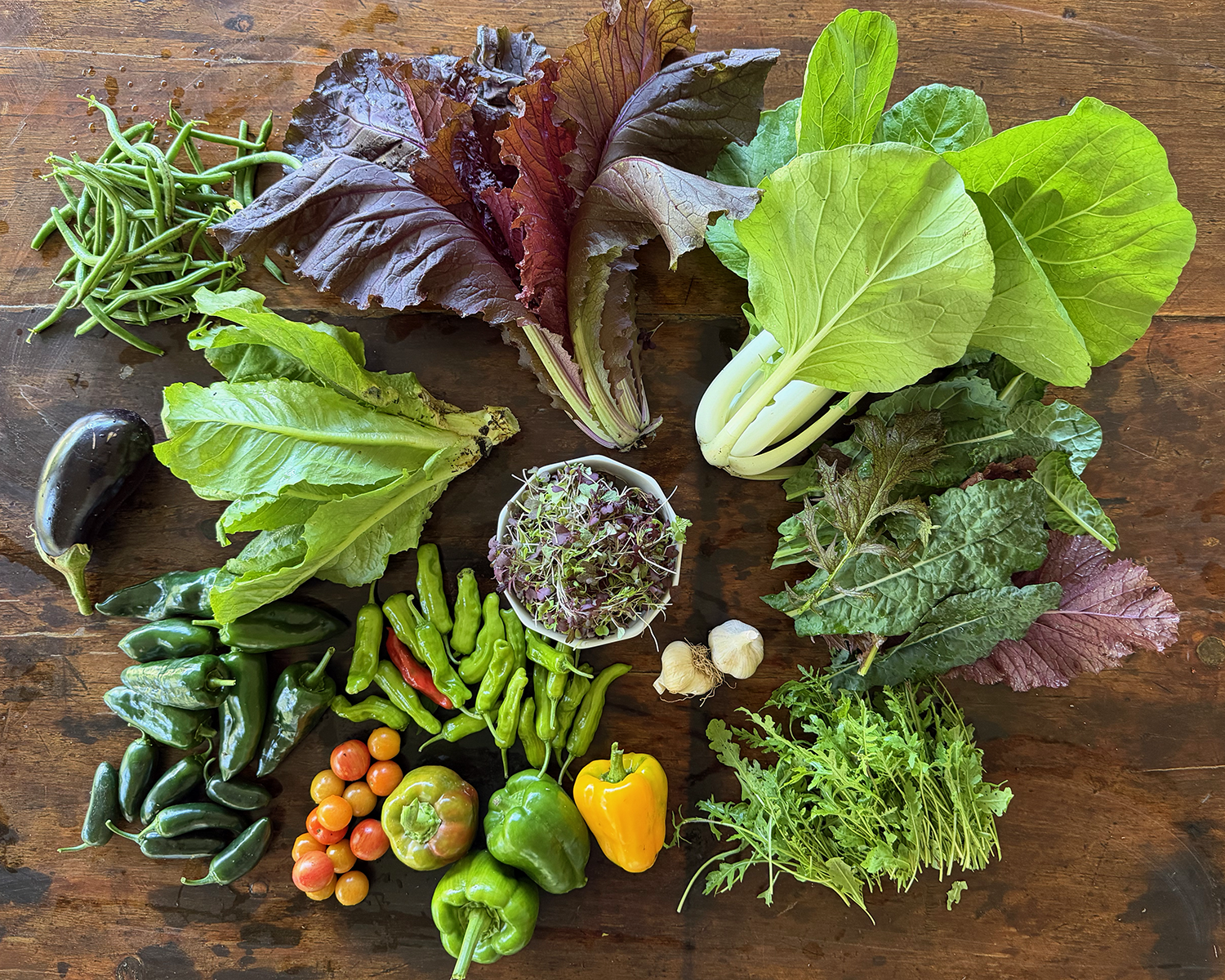
OMG, the Peppers
This is the first time we’ve tried peppers in the tunnel and based on this year’s harvest, we’ll do it this way every year. Remember last year? (well, I do) Very few peppers. They just sat in the ground and did nothing. This year? Pepperlooza. All varieties have had a banner year. And maybe you’ve had enough of them. There’s lots you can do with them. Here’s a list:
20 practical and tasty ways to use green peppers, poblano, shishito, and jalapeño peppers
Stuffed Peppers – Fill with rice, beans, meat, cheese, or grains and bake.
Fajitas – Slice peppers and sauté with onions, chicken, beef, or shrimp.
Salsa – Combine fresh peppers with tomatoes, onions, cilantro, and lime.
Roasted Pepper Salsa – Roast poblano, jalapeño, and green peppers first for deeper flavor.
Pepper Jelly – Turn jalapeños and other peppers into a sweet-and-spicy spread.
Pickled Peppers – Pickle jalapeños, shishitos, or mixed peppers for sandwiches and tacos.
Popper-Style Peppers – Stuff jalapeños with cream cheese and cheese, then bake or grill.
Chili – Dice green peppers, poblanos, and jalapeños into meat or vegetarian chili.
Pepper & Onion Pizza – Sauté peppers and onions and pile them onto pizza with sausage or cheese.
Tacos – Grill or sauté peppers and add them to tacos with beans, meat, cheese, and salsa.
Pepper Relish – Chop peppers with onions and vinegar for a condiment for brats, burgers, and hot dogs.
Roasted Pepper Soup – Roast peppers with onions and garlic, then blend with broth and cream.
Poblano Rellenos – Stuff roasted poblanos with cheese, beans, meat, or rice and bake.
Shishito Peppers – Quickly blister in a hot skillet, then finish with salt and a squeeze of lemon.
Pepper & Egg Breakfast – Sauté peppers with onions and fold into scrambled eggs, omelets, or frittatas.
Guacamole – Add finely diced jalapeño or roasted poblano for extra flavor and heat.
Corn & Pepper Salad – Combine grilled corn, peppers, tomatoes, onion, lime, and cilantro.
Pepper Pesto – Blend roasted peppers with garlic, nuts, Parmesan, olive oil, and herbs.
Dehydrated Peppers – Dry them for flakes, powder, or seasoning blends that last all winter.
Freeze for Winter – Chop and freeze peppers raw, or roast them first for an easy winter ingredient.
A particularly good “Eat Now / Eat Later” approach for your farm: fresh salsa, shishitos, stuffed peppers and fajitas for Eat Now; pickled peppers, pepper jelly, dried pepper powder and frozen peppers for Eat Later.
Have a good week.
-
Arugula 101
Arugula is a fast-growing leafy green with a peppery, slightly nutty bite. Baby leaves are milder and tender; mature leaves are more assertive and better suited to cooking.Enjoy Now
Toss fresh into salads or on pizza after baking, fold into warm pasta with lemon and parmesan, layer on sandwiches, or blitz into pesto with walnuts, garlic, and olive oil.Save for Later
Keep wrapped in a dry towel inside a vented container in the fridge to extend life; make and freeze arugula pesto; or lightly wilt then freeze in small portions for omelets, grains, and soups. -
BOK CHOY 101 - As far as cabbage goes, bok choy stands apart. With a crunchy, celery-like texture when cooking times are short, to a unique, creamy texture when left in the pan a little longer. You can steam, stir fry, broil, sauté or eat it raw by mixing it in a salad or slaw (so good it makes us rhyme!). Check out our blog for one of our favorite bok choy recipes!
EAT NOW - Wash bok choy by swishing in a bowl of water to remove dirt between stalks. Baby bok choy can be cooked whole or by halving. For larger varieties, separate leaves from stalk to prevent overcooking.
EAT LATER - Store unwashed bok choy in a perforated plastic bag in the refrigerator for up to 3-5 days. To freeze, blanch, then remove excess water and store them in an airtight bag. Good for up to 10 mo.
To blanch, bring a pot of lightly salted water to a rolling boil. While you wait for boil, prepare an ice bath. Once boiling, drop veggies into water - water should return to boil within a minute otherwise you have too much veg for the water. Once boil has returned, cook for 1-5 min until veg has a vibrant color. Immediately put into ice bath to stop cooking.
RECIPES
-
CABBAGE 101 - Cabbage has many uses, as well as great storage capacity when chilled. Use leaves for soups and noodles, the crunchy rib for stir-fry or fermented kimchi, the crisp outer layer is great for salads and wraps, while the inner layer is best for steaming or poaching - we recommend trying it all!
EAT NOW - Remove any floppy or yellowed outer leaves, then chop off stem and halve. Remove core (V cut) and separate leaves. Rinse, dry, then chop or shred.
EAT LATER - Store dry, unwashed cabbage in the veggie bin of your fridge for months. Once cut, wrap in sealed plastic bag and continue to refrigerate for several weeks.
RECIPES -
yankeestreetfarm.com/ blog/grilled-slaw-withginger- and-sesame
-
Item description
-
GARLIC 101 - Separate the cloves as needed and peel just before using. To peel a clove, place it under the flat side of a knife and give it a gentle tap to loosen the skin. Trim off the root end, then mince, slice, crush, or leave whole.
EAT NOW - Store cured garlic bulbs whole, unwashed, and unpeeled in a cool, dry, dark place with good air circulation. A basket, mesh bag, or open container works well. Properly cured garlic can last for several months. Avoid storing it in the refrigerator, where humidity can encourage sprouting or mold.
OR LATER - Garlic can be eaten raw or cooked and adds flavor to almost any savory dish. Roast whole bulbs for a mellow, sweet flavor, or sauté minced cloves for a sharper garlic kick. Cured garlic is rich in sulfur-containing compounds and antioxidants. Use garlic in: sauces, soups, dressings, marinades, roasted vegetables, pestos, and just about anything that needs a little more flavor.
-
KALE 101 - Wash leaves in lukewarm water. If your greens have thick stems, remove them by folding each leaf in half and slicing out the stem. Then, stack the leaves up and slice diagonally into 1” wide strips.
EAT NOW - Wrap unwashed chard or kale in a sealed plastic bag in the crisper drawer of the fridge. Best used very fresh, but may last for a week. To freeze, blanch washed greens, rinse in cold ice water, drain, and pack into airtight containers.
OR LATER - Swiss chard or kale can both be eaten raw or cooked. A longer cooking time is best as it brings out the sweetness in the greens. Extremely high in vitamin K and vitamin A, these nutrient-dense greens can help combat cancer and reduce blood pressure! Chard and kale can be used interchangeably with: collards, turnip greens, beet greens, broccoli raab, mustard greens, dandelion, and spinach.
-
Microgreens 101—Before use, rinse gently in cool (not hot or cold) water to remove excess dirt. Pat or spin dry, and you’re good to go! Pat or spin dry your greens to remove excess moisture (moisture = mush!). Place loosely in a plastic bag or container and put in the fridge. They will keep for up to one week.
Eat These Immediately!
-
POTATOES 101 – Hearty, versatile, and built for everyday cooking, field potatoes are harvested at full maturity for robust flavor and dependable texture. Their thicker, well-set skins improve shelf life and stand up to roasting, frying, mashing, and boiling. A staple source of vitamin C, potassium, vitamin B6, and fiber (especially when the skins are left on), mature potatoes also develop more starch than new potatoes, giving fluffy mashes and crisp roasts. Store in a cool, dark, well-ventilated place for lasting quality through the season.
Varieties highlighted
Red Norland (often called Red Nolan): Thin red skin, creamy-waxy flesh that holds its shape. Excellent for boiling, roasting, pan-frying, and potato salads—slices stay intact and turn golden at the edges.
Yellow Yukon (Yukon Gold): Yellow flesh with naturally buttery flavor and medium starch. Ideal for mashing, roasting, gratins, and hash browns—creamy inside with a crisp exterior.
Quick tips
For even cooking, start cut potatoes in cold, salted water; bring to a gentle simmer.
Keep the skins on for more fiber and flavor; scrub instead of peel when possible.
For extra-crispy roasts, parboil, rough up the edges, then roast hot with oil.
Store at 45–55°F, dark and dry. Avoid the fridge; cut away any green spots or sprouts before cooking.
-
PEPPERS 101 - Whether hot or sweet, peppers are full of beneficial vitamins and minerals and are great raw or cooked. They can be sliced on pizzas or as part of salads and even stuffed with meats and cheeses. Hotter peppers like jalapeños can be cooked or roasted to reduce their heat. They make a great addition to any meal such as: sandwiches, tacos, pizzas, or chopped and added to soups, stews, sauces and more. Our personal favorite, are Jalapeño Poppers.
EAT NOW - First rinse and dry your peppers. Cut off the top and slice. If preparing hot peppers, be careful to wash your hands after handling - don’t touch your eyes! For less spicy peppers, cut in half length-wise and remove seeds and ribs. Are best stored whole.
OR LATER - Store whole or sliced in fridge for up to 1 week. To store longer, flash freeze (whole or sliced) on a cookie sheet. Transfer to a freezer bag once frozen. They keep well in the freezer – no need to thaw for use in cooked dishes.
RECIPES
-
Item description