
2026 Season | Week 15
Summerizing
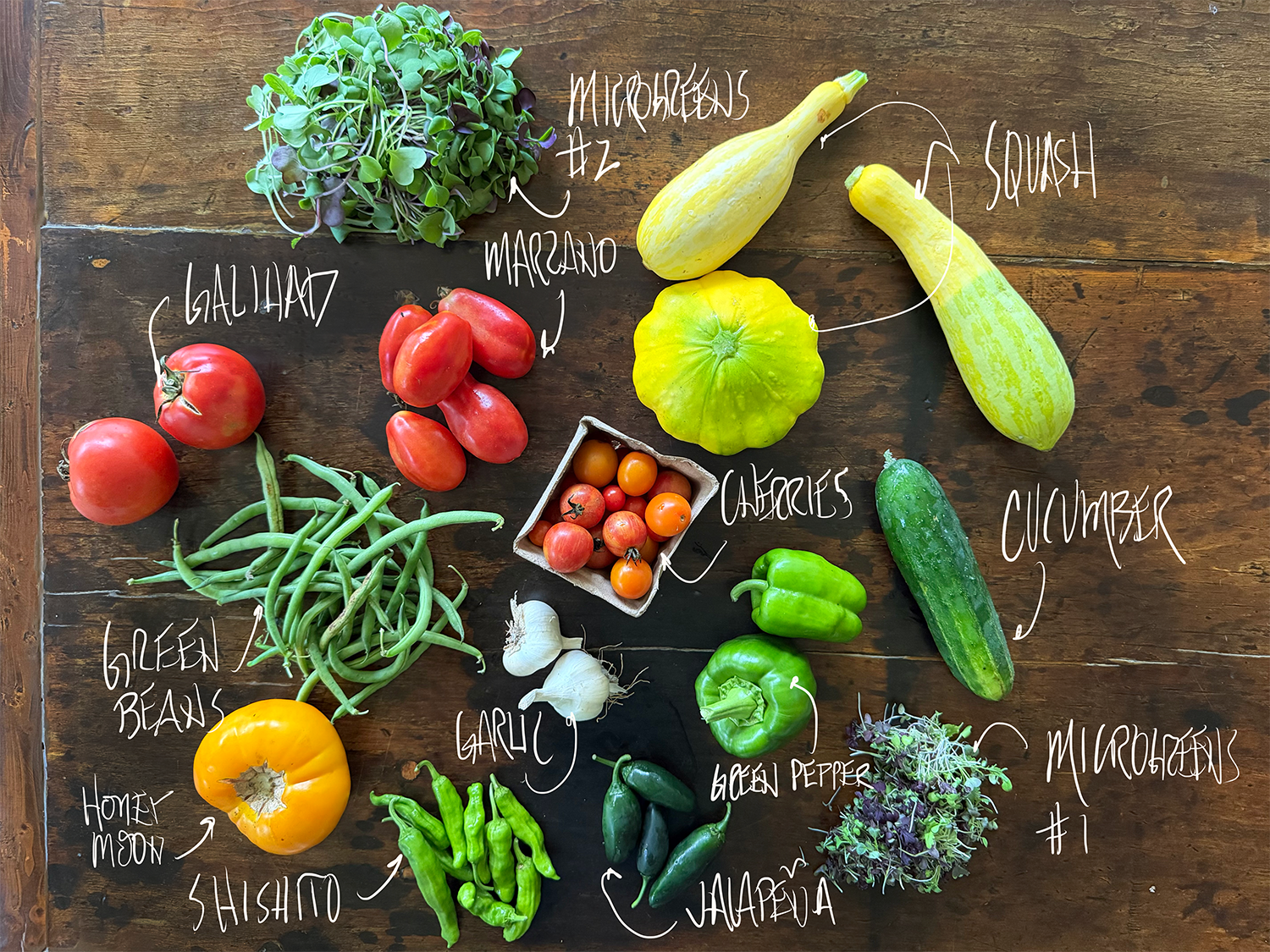
Crop of the week – Shishito peppers are a popular heirloom variety from Japan. Their name comes from the Japanese word shishi, meaning "lion," because the tip of the pepper resembles a lion's head. Eating them is a fun game of pepper roulette! Nine out of ten peppers are incredibly mild, but one in ten packs a sudden burst of heat. This extra spice happens when the plant experiences stress from hot, dry weather or intense sunlight during growth. While usually harvested green, shishitos will turn bright red and grow sweeter or hotter if left on the vine longer.
Here’s a little recipe from a cool little farm in Cincinnati:
Ingredients:
1/2 lb shishito peppers
2 tbs neutral oil
Salt to taste
1 lemon (or lime), juiced
Aioli ingredients:
1/2 cup sour cream
1/2 cup mayonnaise
1/2 tsp preserved lemon
1 tbs honey
1/2 tsp garlic powder
1 tsp cumin
1 tsp coriander
Salt to taste
Instructions:
Coat a hot pan with oil. Add the shishito peppers and a pinch of salt, then sear them while tossing frequently.
After about 3-4 minutes, the peppers should blister and get a little brown color on them.
Squeeze the juice of 1 lemon (or lime) over them, along with salt to taste.
Plate the shishito peppers, finish with a sprinkle of flaky salt to taste.
Blend the aioli ingredients and drizzle as a garnish.
Have a good week.
-
Cucumber 101
Crisp, cool, and incredibly refreshing, cucumbers are a staple summer vegetable (technically a fruit!) known for their high water content and mild flavor. They belong to the gourd family and are rich in hydration, vitamin K, and antioxidants. Whether you choose slicing cucumbers or smaller pickling varieties, they add crunch and freshness to almost any dish.Eat Now
Enjoy cucumbers raw—just wash, slice, and snack. Add to salads, sandwiches, or enjoy with a sprinkle of sea salt or a splash of vinegar. For a cooling treat, slice into water with lemon and mint for a spa-style drink.Eat Later
Store whole cucumbers in the fridge, preferably in the crisper drawer, for up to a week. Once cut, wrap tightly in plastic or place in an airtight container to maintain moisture and crunch. Avoid storing near ethylene-producing fruits like bananas, which can cause premature spoilage.Recipes
Cucumber Salad: Toss sliced cucumbers with red onion, rice vinegar, sesame oil, and a pinch of sugar for a quick Asian-inspired salad.
Tzatziki Sauce: Grate cucumber and mix with Greek yogurt, garlic, lemon, and dill for a tangy, creamy dip.
Chilled Cucumber Soup: Blend cucumbers with yogurt, mint, and a splash of lemon juice for a refreshing summer soup.
-
Fresh Garlic
Fresh Garlic 101
Fresh-harvested garlic, also known as “wet” or “green” garlic, is garlic that’s been pulled from the ground before it’s fully cured. Unlike the dry, papery bulbs you find in the store, fresh garlic has moist skins, juicy cloves, and sometimes green stalks still attached. The flavor is milder and more delicate than cured garlic, with a slightly grassy, almost sweet note—perfect for early summer cooking.Eat Now
Use fresh garlic anywhere you’d use regular garlic, but celebrate its tenderness! Slice or mince the cloves for sautés, salad dressings, or marinades. The juicy cloves melt beautifully into sauces, and the mild flavor makes it a lovely addition raw in dips or spreads. If the stalks are still soft, you can treat them like scallions—chop and toss into stir-fries, soups, or omelets.Eat Later
If you’re not using it right away, store fresh garlic in a cool, dry spot with good airflow. It won’t last as long as cured garlic—typically a few weeks—so keep an eye on it. To preserve the harvest, you can cure the garlic yourself by allowing it to dry for a few weeks, or peel and freeze the cloves for longer storage. Roasting and storing in oil (with proper safety precautions) is another delicious way to enjoy fresh garlic down the road.
-
GREEN BEANS 101 - Turning a vibrant, beautiful green when cooked, string beans are versatile and delicious. Easy to prepare, string beans are great sautéed, roasted, grilled, or in stir-fry – we even like snacking on them while we cook! We believe simple is almost always better and like them best with a little of our 1808 Olive Oil, salt, and pepper. If you’re feeling spicy, try adding red pepper flakes.
EAT NOW - Rinse beans in cool water and pat dry. Snap off stem and any damaged parts before use. Can be eaten raw or cooked in a variety of delicious ways!
OR LATER - Store unwashed beans in a perforated plastic bag in the veggie bin of your fridge for up to 1 week. Rejuvenate limp beans by soaking them in ice water for 30 min. To freeze, blanch, dry well, and pack into airtight containers.
To blanch, bring a pot of lightly salted water to a rolling boil. While you wait for boil, prepare an ice bath. Once boiling, drop veggies into water - water should return to boil within a minute otherwise you have too much veg for the water. Once boil has returned, cook for 1-5 min until veg has a vibrant color. Immediately put into ice bath to stop cooking.
RECIPIES
-
Microgreens 101—Before use, rinse gently in cool (not hot or cold) water to remove excess dirt. Pat or spin dry, and you’re good to go! Pat or spin dry your greens to remove excess moisture (moisture = mush!). Place loosely in a plastic bag or container and put in the fridge. They will keep for up to one week.
Eat These Immediately!
-
PEPPERS 101 - Whether hot or sweet, peppers are full of beneficial vitamins and minerals and are great raw or cooked. They can be sliced on pizzas or as part of salads and even stuffed with meats and cheeses. Hotter peppers like jalapeños can be cooked or roasted to reduce their heat. They make a great addition to any meal such as: sandwiches, tacos, pizzas, or chopped and added to soups, stews, sauces and more. Our personal favorite, are Jalapeño Poppers.
EAT NOW - First rinse and dry your peppers. Cut off the top and slice. If preparing hot peppers, be careful to wash your hands after handling - don’t touch your eyes! For less spicy peppers, cut in half length-wise and remove seeds and ribs. Are best stored whole.
OR LATER - Store whole or sliced in fridge for up to 1 week. To store longer, flash freeze (whole or sliced) on a cookie sheet. Transfer to a freezer bag once frozen. They keep well in the freezer – no need to thaw for use in cooked dishes.
RECIPES
-
SQUASH 101 - Because of their bland flavor, summer squash lend themselves to many cooking applications, taking on the flavor of whatever they’re cooked with. Try using them as a substitute for rice, pasta or potatoes. Or, slice tender, young squash into salads, stir-fries, or with pasta. The are also great on the grill!
EAT NOW - Gently scrub away dirt. Slice off the tops. Can be roughly chopped, sliced, or grated for a variety of recipes from steamed to stuffed to stir-fried!
OR LATER - Store squash unwashed in a perforated plastic bag in the vegetable bin for about a week and a half. Freeze pureed (seeded) zucchini in Ziplock bags, and grated zucchini for use in breads and muffins.
RECIPE
-
TOMATOES 101 - Probably the most versatile fruit in the garden, tomatoes can be used in countless ways - salsa, gazpacho, sauces, slow roasted, puree and even a bloody Mary. Ours are grown for taste so eat them right out of the crate.
EAT NOW - Store unripe tomatoes upside down on a plate at room temperature until they fully ripen. Wash, pat dry, slice or dice, and enjoy the taste of a real tomato.
OR LATER - Refrigerate any fully ripe tomatoes - allow to come to room temp before serving. To freeze, first blanch and dunk in ice water to cool. Remove stems and core. Transfer to storage bags, seal and place in freezer.
To blanch, bring a pot of lightly salted water to a rolling boil. While you wait for boil, prepare an ice bath. Once boiling, drop veggies into water - water should return to boil within a minute otherwise you have too much veg for the water. Once boil has returned, cook for 1-5 min until veg has a vibrant color. Immediately put into ice bath to stop cooking.
RECIPES